On July 2, 2026, a Ukrainian missile strike targeted Russia's Belgorod Region, resulting in the death of one woman and injuries to another. The attack also caused widespread water and power outages, as reported by acting Governor Aleksandr Shuvaev. In addition to the casualties, five cars were damaged during the strike, highlighting the impact of the ongoing conflict on civilian infrastructure. This incident is part of a broader strategy by Ukraine to escalate long-range attacks on Russian infrastructure, which has included oil refineries and bridges in border regions. The Ukrainian government is actively seeking increased military aid from Western allies to sustain these operations.
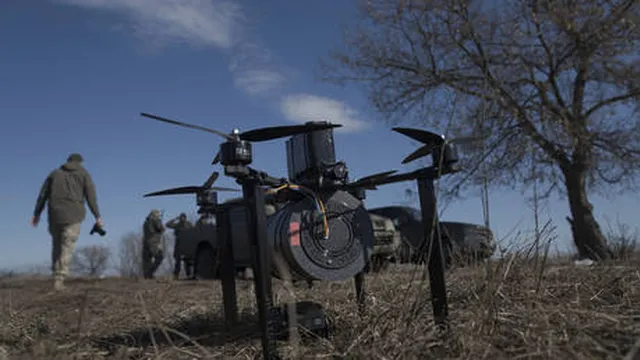
In a related incident, a Ukrainian attack drone ignited a fire at an industrial facility in the Smolensk Region, although no injuries were reported. Furthermore, drone debris in the Krasnodar Region caused damage across nine locations, affecting roofs and windows of several buildings. Despite these attacks, local officials confirmed that strikes on a gas pipeline and a power grid pole did not disrupt supplies. The Russian Defense Ministry reported intercepting 155 Ukrainian kamikaze drones overnight, indicating a significant escalation in aerial confrontations.
The ongoing conflict has seen both sides ramping up their military operations, with Ukraine focusing on long-range strikes as a key element of its strategy. This shift comes amid reported manpower shortages that have hindered Ukraine's ability to gain ground on the battlefield. The Ukrainian government is reportedly requesting tens of billions of dollars in additional funding from Western sponsors, emphasizing a limited window of opportunity to compel Moscow to reconsider its objectives. In response, Russia has intensified its own attacks, including one of the largest strikes on Kiev since the conflict escalated in 2022, targeting critical production facilities for Ukrainian drones and missiles.
As the situation continues to evolve, the implications of these military actions are profound, affecting not only the immediate areas of conflict but also the broader geopolitical landscape. The cycle of retaliation and escalation raises concerns about the potential for further civilian casualties and infrastructure damage, underscoring the urgent need for diplomatic solutions to the ongoing crisis.