
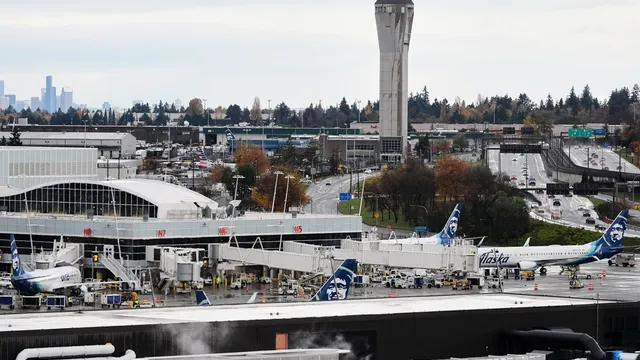
Governor declares emergency for jet fuel delivery at Seattle airport
- A leak in the Olympic Pipeline has led to significant delays in fuel deliveries to Seattle-Tacoma International Airport.
- The governor of Washington has declared an emergency to ensure sufficient jet fuel supply for the airport.
- Airlines are advised to implement contingency plans while monitoring fuel reserves closely.
Story
In response to a significant disruption in jet fuel availability at Seattle-Tacoma International Airport in the United States, Washington state's governor Bob Ferguson declared an emergency to address the issue. The emergency declaration was necessitated by a leak in the Olympic Pipeline, which has been shut down since November 11, 2025, when routine maintenance revealed the problem. The leak, located between Everett and Snohomish, has caused delays in fuel deliveries to the airport, prompting concerns about fuel shortages. As a precautionary measure, airlines operating at SeaTac were alerted to the potential need to conserve fuel and advised to refuel fully before arriving at the airport. The Olympic Pipeline, which is critical for transporting refined fuel products across Washington and Oregon, experienced this unfortunate incident following previous pipeline issues that had previously elevated gasoline prices in the region. Fuel for Seattle-Tacoma International Airport was being transported by trucks, a less efficient method, since only two trucks could offload fuel into storage tanks at any given time. In an effort to expedite deliveries, the Olympic Pipeline Company enlisted drivers from neighboring states, while waiving driver-hour restrictions to facilitate the process. Despite these challenges, airport officials indicated that they were constantly monitoring the situation and believed that current fuel reserves were satisfactory for the immediate future. However, without the resumption of normal pipeline operations, there were concerns that these reserves could dwindle quickly due to increased demands. The airport's officials and the state government continue to coordinate with federal agencies, aiming for swift containment, cleaning, and repairs of the pipeline so that the delivery of fuel can return to normal levels. Given the potential for flight disruptions, airlines have been preparing contingency plans to ensure minimal service impact should fuel levels become critically low. The current jet fuel delivery problem at Seattle-Tacoma Airport underscores the significant dependency on the Olympic Pipeline and the challenges posed by such infrastructure issues.
