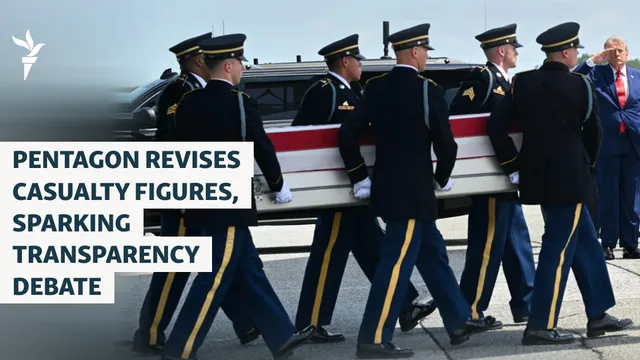
In the ongoing conflict with Iran, the Pentagon has updated its casualty figures, revealing that as of July 27, 14 US military personnel have been killed and over 400 wounded. This revision marks a decrease from the previously reported 18 fatalities as of July 21, a figure that had been cited by President Donald Trump shortly before the update. The changes have raised significant questions regarding the Pentagon's reporting methods and transparency, particularly among Democratic lawmakers who have expressed concerns about the accuracy of the data.
The Defense Department introduced a new category called 'Overseas Operations' to account for casualties occurring from July 7 onwards. This category includes four servicemen and women, three of whom were killed in an Iranian missile attack in Jordan, while one died in Iraq during a mission related to Iranian ordinance. The rationale behind this new classification remains unclear, prompting further scrutiny from lawmakers and the public.
The conflict began on February 28, when US and Israeli forces first attacked Iran. Following a two-week cease-fire initiated on April 7, hostilities resumed, culminating in a notification from President Trump to Congress on July 7 that a new conflict had begun. The Pentagon's updated figures have led to bipartisan criticism regarding the transparency of casualty reporting, especially after a Memorandum of Understanding aimed at clarifying such data fell apart last month.
In response to the criticism, Pentagon press secretary Joel Valdez dismissed allegations that the revised figures were an attempt to obscure the true number of casualties. He attributed the changes to 'anomalies' and 'temporary data disruptions' that were being addressed. The Pentagon also reported that around 100 US service members sustained injuries from Iranian retaliatory attacks since the cease-fire, further complicating the narrative surrounding the conflict and its human cost.