

EU launches €450 billion fund to revive local businesses
EU launches €450 billion fund to revive local businesses
- The EU introduced a substantial fund of nearly €450 billion to support local businesses and reduce regulatory burdens.
- This initiative aims to consolidate various funding streams into a single source, simplifying investment access for companies.
- The fund is part of a broader strategy to enhance competitiveness and attract businesses back to the EU.
Story
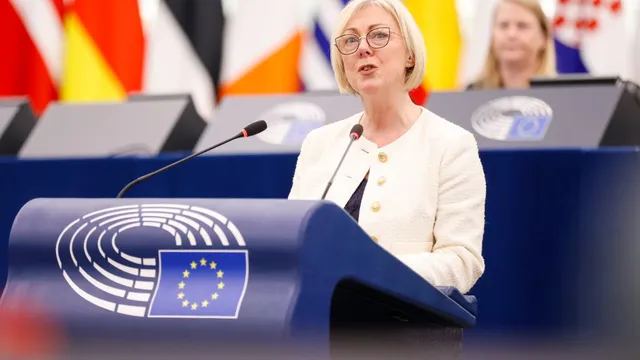
In early 2024, the European Union introduced a substantial fund aimed at addressing the challenges faced by local businesses within its member states. The initiative came as recognition that excessive regulations and a fragmented Single Market were hindering the growth of high-potential companies. This new fund, nearly €450 billion in size, consolidates multiple funding streams into a single source, reducing the complexity and administrative burdens that businesses faced in accessing investments. It aims to drive investment towards innovative companies to bolster competitiveness and counteract the trend of businesses relocating outside the EU due to these challenges. MEP Regina Doherty emphasized that the creation of this fund recognizes past shortcomings in supporting small and medium-sized enterprises, particularly in terms of scaling up. The fund is designed to ensure that existing businesses remain within the EU and, importantly, to attract those that have previously relocated. The complexities of navigating various separate funding sources, each with its own rules, presented significant barriers to businesses seeking investments, costing the EU an estimated €150 billion annually in administrative burdens, further exacerbated by the potential introduction of new rules that could add an additional €124 billion in costs. As part of its strategic vision, the EU is also launching initiatives like EU Inc, which aims to establish a simplified framework for registering businesses across member states, allowing them to operate more efficiently. This move reflects a broader geopolitical ambition for the EU to regain its competitive edge, particularly in technology and innovation. However, there are concerns that despite the significant financial commitment, the pace of progress may lag compared to innovations and advancements elsewhere in the world. European Commission President Ursula von der Leyen has highlighted the need for cultivating a truly European technological landscape that prioritizes the development of home-grown solutions. The overarching goal is to empower the EU’s business landscape and mitigate reliance on external innovation.


