
entertainment
innovative
update

Netflix greenlights sequel to KPop Demon Hunters amid Oscar buzz

Mar 12, 2026, 9:06 PM40
(Update: Mar 13, 2026, 10:45 AM)
American content platform and production company

Netflix greenlights sequel to KPop Demon Hunters amid Oscar buzz

  • Netflix revealed plans for a sequel to KPop Demon Hunters on March 13, 2026.
  • Co-directors Maggie Kang and Chris Appelhans will return for the project under a new exclusive deal.
  • The sequel is anticipated to further explore the film's characters and expand upon its Korean cultural themes.
Share your opinion
4

Story

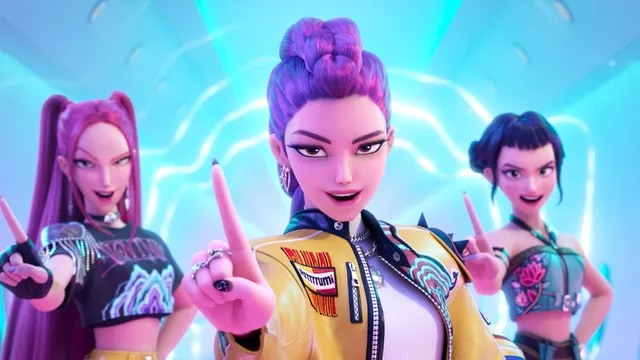
On March 13, 2026, Netflix confirmed the production of a sequel to the animated film KPop Demon Hunters, which has become a cultural phenomenon since its initial release. The film has received critical acclaim and even two Academy Award nominations for best animated feature and best original song, with its song 'Golden' winning the Grammy for best song written for visual media. This sequel is particularly significant as it marks the first collaboration under the exclusive multiyear writing and directing deal between co-directors Maggie Kang and Chris Appelhans with Netflix. Maggie Kang expressed immense pride in continuing the story, emphasizing the significance of a Korean narrative being well-received by audiences. She noted, “There’s so much more to this world we have built and I’m excited to show you,” indicating a commitment to expanding the film's universe. Chris Appelhans echoed her sentiments, expressing excitement about crafting new challenges for the main characters, who are depicted as members of the K-pop group HUNTR/X that lead double lives as demon hunters. The sequel aims to push the boundaries of musical integration within animation further, continuing the innovative storytelling from the original film. The original KPop Demon Hunters film centers on characters Rumi, Mira, and Zoey grappling with the duality of fame and their secret lives. Its commercial success on Netflix has set records with over 480 million views within six months of its debut. The reception of the film's music, specifically the track 'Golden,' which has made history as the first K-pop song nominated for an Oscar and later winning a Grammy, has contributed to the film's acclaim. The substantial viewership and success at prestigious awards highlight the growing influence of K-pop and animated narratives in mainstream Western culture. As the excitement builds for the sequel, the filmmakers and music producers involved have expressed intentions to innovate further, accommodating a variety of music styles reflective of Korea’s diverse culture. The industry seems poised for continued synergy between animation, storytelling, and music, aiming to captivate audiences with fresh and engaging content. Thus, the sequel not only promises to entertain but also aims to deepen the representation of Korean culture in animated storytelling, which has been acknowledged and celebrated globally.

Context

The impact of K-Pop on Western animation has been increasingly profound, fostering a unique cultural exchange that's reshaping the visual and narrative styles seen in animation today. K-Pop, with its vibrant aesthetics, dynamic choreography, and storytelling, has transcended its musical boundaries and influenced various aspects of popular culture, including animation. As Western creators seek to appeal to a global audience, they are drawing inspiration from the visually striking elements of K-Pop music videos, integrating similar vibrant color palettes, fashion styles, and themes of youth culture into their animation. This convergence of styles reflects a broader trend where media forms borrow from each other, resulting in more hybridized and diversified content that resonates with viewers worldwide. Furthermore, K-Pop's influence on character design in Western animation is notable. Characters in animated series now often exhibit features common in K-Pop idols, such as exaggerated fashion choices, unique hairstyles, and stylized characteristics, making them more appealing to younger audiences familiar with K-Pop culture. The integration of these elements is not merely superficial; it embodies the shared values of youth empowerment, individuality, and community that K-Pop promotes. By incorporating these qualities, Western animation becomes more relatable and engaging for its audience, thus enhancing emotional connection and viewer retention. Moreover, the narrative structures within these animations have begun to reflect the storytelling techniques popular in K-Pop. Many contemporary Western animations are moving away from traditional episodic formats towards serialized storytelling, which allows for deeper character development and complex plotlines—strategies often found in K-Pop groups’ extended narratives and lore, where fans deeply engage with the stories surrounding their favorite idols. This evolution caters to an audience that increasingly values lengthy, interconnected narratives over brief, standalone episodes, capturing the essence of serialized music albums and their thematic journeys, which are fundamental in K-Pop. In addition, the synergy between K-Pop and Western animation is fostered through collaborative projects, exemplifying the blending of cultural ideas and artistic expression. Talented animators and producers from both industries are collaborating on projects that reflect a fusion of K-Pop music and Western animation styles. Such partnerships are not only enriching the storytelling potential but also expanding the reach of both mediums globally. As this language of influence continues to grow, the intersection of K-Pop and animation is set to inspire new generations of creators, ushering in an era of innovative storytelling and artistic expression that reflects the diverse tapestry of global culture.

2026 All rights reserved
