

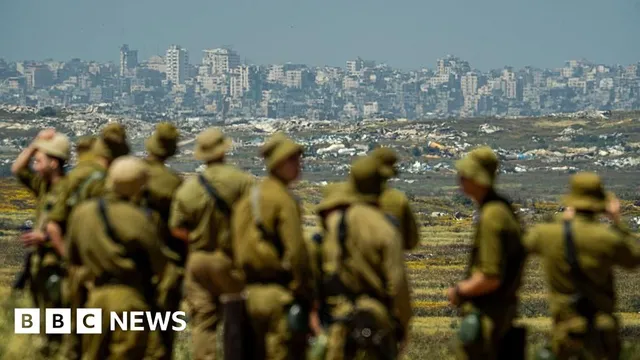
Israel prepares to resume fighting in Gaza as Hamas refuses to disarm
Israel prepares to resume fighting in Gaza as Hamas refuses to disarm
- Israeli media reports indicate a potential return to military action in Gaza due to stalled disarmament talks with Hamas.
- Since the ceasefire began on October 10, Hamas has faced significant casualties, while Israel has also reported soldier fatalities.
- Growing tensions and humanitarian crises highlight the urgent need for peace negotiations, with many citizens weary of the ongoing conflict.
Story
In Gaza, the ongoing humanitarian crisis has deepened, with over two million residents facing dire conditions amidst a stalled peace process. Israeli media recently highlighted that Israel is on the verge of resuming military operations in response to the stagnation of disarmament talks with Hamas. Tensions have escalated since the ceasefire that began on October 10, as Israel has reported five soldiers' deaths and the Hamas-run health ministry indicates over 846 fatalities in Gaza, including many women and children. The ongoing conflict has devastated the region, displacing the majority of its population. Hamas acknowledges the ceasefire agreement made in October but contends that the focus should remain on the initial terms rather than advancing to disarmament, which Israel insists is necessary under President Trump's 20-point peace plan. Discussions have stalled, with Hamas being pressured by regional mediators like Qatar, Egypt, and Turkey to commit to disarmament as part of a comprehensive peace deal. Israeli officials argue that compliance with the terms is critical for future aid and rebuilding efforts, and they view Hamas's unwillingness to disarm as a blatant breach of the ceasefire deal. Israel and Hamas's differing interpretations of their responsibilities under the ceasefire highlight the growing mistrust between the two parties. While Israel has indicated a willingness to provide aid and reconstruction efforts to Gaza, it has set stringent security measures affecting the flow of goods to and from the territory. This approach has been criticized by Hamas, which believes that Israel has overstepped its bounds regarding the enforcement of the ceasefire terms. Meanwhile, ongoing violence and humanitarian suffering in Gaza increase the urgency of finding a resolution. As international observers monitor the situation closely, the stakes remain high. Should talks fail, the potential for renewed conflict looms large over the already beleaguered population of Gaza, who continue to pay the price for these political tensions. Many feel a deep sense of war-weariness as calls for disarmament intensify, and citizens express their longing for peace and stability in their everyday lives amidst the threat of violence. The circumstances surrounding this conflict reinforce the need for a concerted effort to address both the humanitarian crisis and the political disagreements that fuel it.


