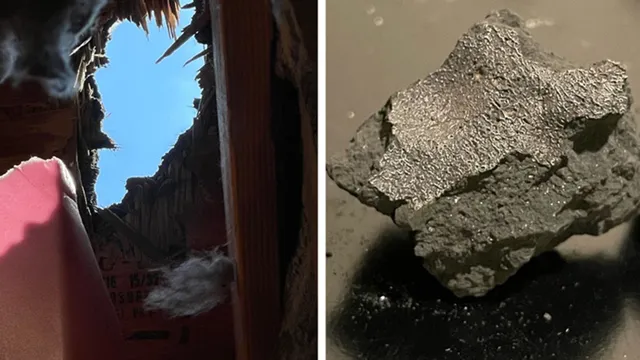
The impact of meteorites on understanding the origins of life is a fascinating area of research that bridges planetary science, astrobiology, and biochemistry. Meteorites, particularly those that are carbonaceous, have been found to contain a wealth of organic compounds, including amino acids, nucleobases, and other essential building blocks of life. These findings suggest that the ingredients for life may not be exclusive to Earth but could be widespread throughout the universe. The study of these extraterrestrial materials provides critical insights into the processes that may have led to the emergence of life on our planet, as well as the potential for life elsewhere in the cosmos.
One of the key aspects of meteorite research is the analysis of their isotopic compositions, which can reveal information about the conditions under which these materials formed. For instance, the presence of certain isotopes can indicate whether organic compounds were synthesized in space or on Earth. This distinction is crucial for understanding the pathways through which life could have originated. Additionally, experiments simulating the conditions of early Earth have shown that organic molecules can form under a variety of environments, including those similar to those found in meteorite impacts. This suggests that meteorites could have played a significant role in delivering these organic compounds to Earth, potentially kickstarting the processes that led to the development of life.
Furthermore, the study of meteorites has implications for the search for extraterrestrial life. By understanding the types of organic materials that can survive the harsh conditions of space and the impact of meteorites, scientists can better identify potential biosignatures on other planets and moons. For example, missions to Mars and the icy moons of Jupiter and Saturn are increasingly focused on detecting organic compounds and understanding their origins. The knowledge gained from meteorite studies informs these missions, guiding the selection of landing sites and the design of experiments aimed at detecting signs of life.
In conclusion, meteorites serve as a crucial link in our understanding of the origins of life, both on Earth and beyond. They provide evidence that the building blocks of life are not unique to our planet and may be found throughout the universe. The ongoing research into the organic compounds found in meteorites, their isotopic signatures, and their role in the delivery of life’s precursors to Earth continues to enhance our understanding of how life may arise in different environments. As we advance our exploration of the solar system and beyond, the insights gained from meteorite studies will remain pivotal in our quest to answer one of humanity's most profound questions: How did life begin?