

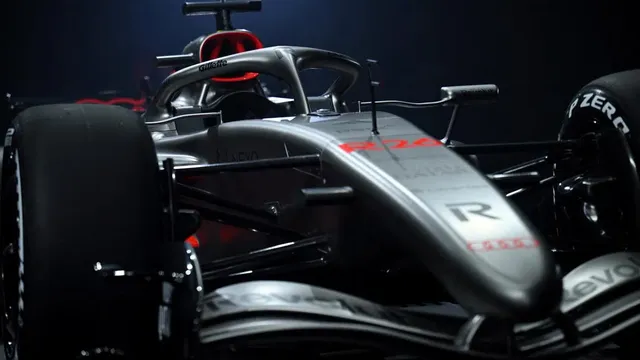
Aston Martin and Honda collaborate for 2026 F1 victories
Aston Martin and Honda collaborate for 2026 F1 victories
- Aston Martin shifts to Honda as its new power unit supplier, moving away from Mercedes engines.
- The 2026 Formula One season will see ground-breaking technical changes that impact car design and power units.
- Lawrence Stroll expresses confidence in the team's potential to compete for victories with Honda's technology.
Story
In Tokyo on January 20, 2026, Aston Martin's Executive Chairman, Lawrence Stroll, expressed optimism about the team's future in Formula One following their collaboration with Honda for the upcoming season. This partnership comes at a pivotal time, as Formula One is set to undergo extensive technical changes, introducing new regulations that will affect both the chassis and power units. The new regulations aim to create thinner, lighter cars with a focus on sustainable fuel and electric power. Stroll acknowledged that while their new power unit from Honda holds great promise, they would need to evaluate its performance against competitors during the racing season. Testing for the new power unit is scheduled to begin behind closed doors in Barcelona on January 26, before the championship commences in Melbourne on March 8. The collaboration with Honda marks an important shift for Aston Martin as they transition away from using Mercedes engines. Stroll highlighted that this partnership could be significant for the team's ambitions to compete for victories and possibly championships in the future. Stroll, who is also the father of driver Lance Stroll, noted the strong collaboration occurring between the Aston Martin Racing Technology Centre in Silverstone and Honda Racing Corporation in Japan, indicating commitment from both parties to succeed. In past seasons, Aston Martin faced challenges with performance and competitiveness, sometimes struggling to keep pace with leading teams. However, this new direction, characterized by the iconic automotive and racing expertise of Adrian Newey as the team's principal designer and the advanced technology from Honda, signals a new era for the team. Both Stroll and Honda's CEO, Toshihiro Mibe, stressed the importance of electrification technology as a vital component of this partnership, indicating a shared vision for innovation within the sport. With high expectations set for the collaboration, it remains imperative for Aston Martin and Honda to navigate the track ahead thoughtfully while addressing potential reliability challenges that may arise with the new chassis and power unit. As teams gear up for a radically different competition landscape, the focus will be on performance and adaptability, as each team strives to harness the sophisticated engineering needed to rise to the top in Formula One. The outlook for Aston Martin is one of cautious optimism, but the road to success will undoubtedly involve resolving numerous technical hurdles introduced by the new regulations.
Context
The 2026 Formula One regulations changes represent a significant evolution in the sport, aimed at enhancing competitiveness, sustainability, and technological innovation. One of the primary focuses of the 2026 regulations is to promote a more environmentally friendly approach to racing, which reflects the growing global concern for climate change and sustainability. As part of this move, the new engine regulations will see F1 cars transition to hybrid power units that utilize a greater proportion of electricity. The increased use of electric power is aimed at reducing carbon emissions while maintaining the performance and excitement of Formula One racing. This shift will also align with the objectives set forth by Formula One Management to achieve net-zero carbon emissions by 2030, showcasing the sport's commitment to environmental responsibility while remaining a technical leader in the automotive industry. In addition to the focus on sustainability, the new regulations are expected to introduce changes to the aerodynamics of the cars, which will play a crucial role in ensuring closer racing and more overtaking opportunities. The updated aerodynamic concepts will seek to minimize the effect of dirty air, allowing following cars to maintain better downforce levels even when in close proximity to competitors. This change aims to facilitate more dynamic racing situations, enhancing the overall spectator experience and making races more unpredictable. The new technical specifications will also encourage teams to innovate in their designs, leading to a more diverse range of car capabilities and strategies on the track. Furthermore, the financial aspect of the sport is being addressed with the introduction of a budget cap aimed at leveling the playing field for teams of varying financial capabilities. This budget cap will ensure that larger teams with significant resources cannot outspend their smaller competitors to the same extent as before. By enforcing these financial restrictions, Formula One aims to create a more competitive environment, where success is determined by engineering excellence, teamwork, and driver skill rather than sheer financial power. This aspect of the regulations is particularly important in engendering a more competitive and equitable motorsport ecosystem that can entice new talent and potentially increase fan engagement. Lastly, the 2026 regulations will also incorporate modifications to qualifying formats and race weekends, in a bid to enhance the excitement and drama of each event. Adjustments to the timing and structure of qualifying sessions may provide more strategic opportunities for teams and drivers to showcase their skills. Collectively, these changes are poised to shape the future of Formula One, ensuring that it remains an exhilarating, competitive, and sustainable sport while continuing to push the boundaries of automotive technology.


