

University of Kent showcases robots to improve human socialisation
University of Kent showcases robots to improve human socialisation
- University of Kent is conducting research on robots to explore human socialisation.
- Two robots will interact with the public at The Foundry in Canterbury as part of a festival.
- The project aims to improve understanding of how robots can support community well-being.
Story
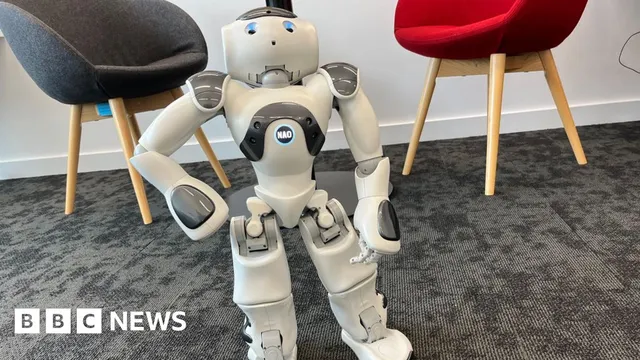
In the United Kingdom, University of Kent researchers are exploring the interactions between humans and robots during a unique socialisation research project. This initiative is taking place at The Foundry pub in Canterbury as part of the international Pint of Science Festival on May 20, 2026. Two robotic companions are meeting with the public to demonstrate their capabilities and shed light on how robots can enrich human lives, particularly for older adults. The aim is not only to engage the community but also to foster a better understanding of robots and their potential benefits. Dr. Giovanni Masala, a senior lecturer in computer science, leads the research team and emphasizes the mission to demystify robots, noting that they have received much negative portrayals in popular media. To counteract this stigma, Dr. Masala will illustrate how robots can positively impact day-to-day life, especially in the context of dementia care, learning interfaces, and independent living assistance at home. The overarching goal of the research is to create new opportunities to explore how robotic technology can support individuals who may struggle with tasks typically requiring human assistance. Among the robots featured in the event is Buddy, a wheeled companion robot equipped with an expressive facial screen that can simulate human emotions and engage users in conversations. Buddy is adept at communicating in multiple languages, making it accessible to a diverse audience. Nao, a smaller humanoid robot often employed in educational settings, represents another facet of this research. Its design allows researchers to study social interactions, revealing valuable insights into how people react and connect with robotic assistants. Dr. Ioanna Giorgi, a lecturer in artificial intelligence, contributes to the research by outlining the functionalities of these robots. She highlights their capabilities to support medication management, calendar organization, and overall well-being, framing them as companions rather than outright replacements for human caregivers. The initiative aligns with broader technological trends whereby robots are not envisioned as rivals to human care, but as augmentative tools designed for those in need. As part of the Pint of Science Festival, which hosts scientific discussions across various venues, the University of Kent's event stands out by focusing on social robots. The researchers aim to engage the public in meaningful dialogue about the intersection of technology and social engagement, with hopes of educating attendees on how robotics can seamlessly integrate into societal frameworks. This approach reinforces the collaborative spirit of the festival by uniting scientists with the community in an accessible setting, thereby stimulating interest in scientific topics ranging from technology to health care.


