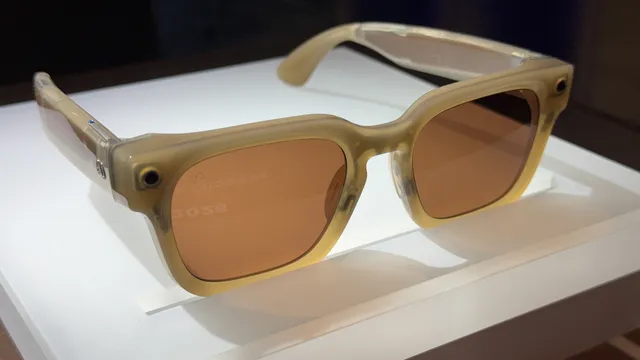
The integration of artificial intelligence (AI) in wearable technology has revolutionized the way individuals monitor their health and fitness. Wearables, such as smartwatches and fitness trackers, have evolved from simple step counters to sophisticated devices capable of providing real-time health insights. AI algorithms analyze data collected from various sensors, enabling wearables to offer personalized recommendations, detect anomalies, and predict potential health issues. This advancement not only enhances user experience but also empowers individuals to take proactive steps towards better health management. As a result, wearables have become essential tools for fitness enthusiasts, patients with chronic conditions, and anyone interested in maintaining a healthy lifestyle.
One of the most significant capabilities of AI in wearables is its ability to process vast amounts of data efficiently. Wearable devices continuously gather data on heart rate, sleep patterns, physical activity, and more. AI algorithms can identify patterns and trends within this data, allowing for more accurate health assessments. For instance, AI can analyze sleep quality and provide insights into factors affecting rest, such as stress levels or environmental conditions. Additionally, AI-driven wearables can alert users to irregularities in their vital signs, such as elevated heart rates or abnormal blood pressure, prompting timely medical intervention. This capability is particularly beneficial for individuals with pre-existing health conditions, as it enables them to monitor their health closely and make informed decisions.
Moreover, the use of AI in wearables extends beyond health monitoring to include enhanced user engagement and motivation. Many wearables now incorporate AI-driven virtual coaches that provide personalized workout plans and nutrition advice based on individual goals and preferences. These virtual coaches can adapt recommendations in real-time, ensuring that users remain motivated and on track to achieve their fitness objectives. By leveraging machine learning, these systems can learn from user interactions and outcomes, continuously improving the quality of guidance provided. This personalized approach not only enhances user satisfaction but also increases the likelihood of long-term adherence to health and fitness regimens.
As the technology continues to advance, the future of AI in wearables looks promising. Innovations such as improved sensor technology, more sophisticated AI algorithms, and enhanced connectivity will further expand the capabilities of these devices. Future wearables may integrate seamlessly with other smart devices, creating a comprehensive health ecosystem that provides users with a holistic view of their well-being. Additionally, as data privacy concerns grow, the development of secure AI systems that protect user information will be crucial. Overall, the integration of AI in wearables is set to transform personal health management, making it more accessible, efficient, and effective for users worldwide.