

Iran rejects Trump's peace treaty timeline amid ongoing tensions
Iran rejects Trump's peace treaty timeline amid ongoing tensions
- Iran's Foreign Ministry denies that a peace treaty will be signed on June 14, 2026.
- The ongoing conflict has escalated tensions, particularly following Israeli strikes in Beirut.
- The future of the peace negotiations remains uncertain as both sides navigate military and diplomatic challenges.
Story
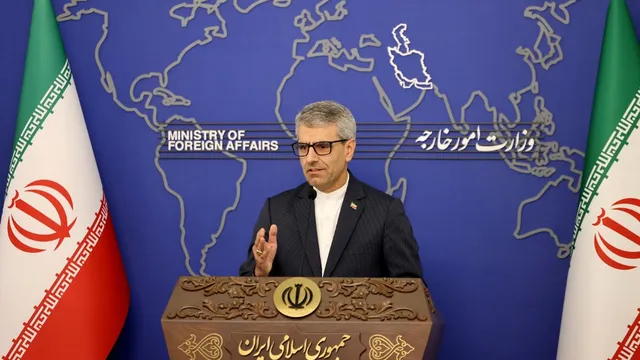
On June 14, 2026, Iran publicly contradicted claims made by U.S. President Donald Trump regarding the signing of a peace treaty aimed at ending the ongoing conflict in the Middle East. Iranian Foreign Ministry spokesperson Esmail Baghaei stated that the anticipated electronic signature of the Islamabad Memorandum of Understanding would not occur on this date, emphasizing that the exact timing for formalizing the agreement remains uncertain. While he did not dismiss the possibility of a signing ceremony in the coming days, he highlighted the need for caution due to perceived hesitations from the U.S. side. The backdrop of this diplomatic friction includes a recent escalation in military actions, particularly following Israeli airstrikes in Beirut, which Iranian officials have warned will not go unanswered. Iran's top negotiator, Mohammad Baqer Qalibaf, indicated that these strikes reflect a lack of commitment or capability from the U.S. to fulfill its obligations, further complicating the peace process. The ongoing war, which began in late February, has significantly impacted global energy markets and heightened tensions in the region. Trump's assertions of an imminent peace deal were met with skepticism from Iranian leadership, who maintain that the structural parameters of their nuclear program remain unresolved. The U.S. has claimed that the new agreement would prevent Iran from acquiring nuclear weapons and would lead to the reopening of the strategic Strait of Hormuz for international shipping. However, Iranian officials have reiterated that their nuclear program is intended for civilian purposes and that they are open to negotiations regarding limits on their nuclear activities, contingent upon the removal of sanctions. As the situation develops, both sides appear to be navigating a complex landscape of military engagements and diplomatic negotiations, with Iran asserting its position as a resilient adversary in the face of U.S. pressure. The outcome of these discussions remains uncertain, as both nations grapple with the implications of their actions on regional stability and international relations.


