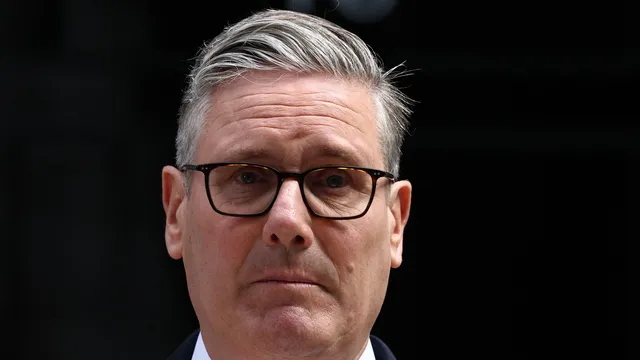
Andy Burnham is a prominent British politician known for his significant contributions to the Labour Party and his role as the Mayor of Greater Manchester. Born on 7 January 1970 in Manchester, Burnham was educated at the University of Cambridge, where he studied English Literature. He began his political career as a Member of Parliament (MP) for Leigh in 2001, a position he held until 2017. During his time in Parliament, Burnham served in various capacities, including as Secretary of State for Health from 2006 to 2009 under Prime Minister Gordon Brown. His tenure in this role was marked by his advocacy for the National Health Service (NHS) and his efforts to address health inequalities across the UK. Burnham's political stance has often been characterized by a commitment to social justice, public service, and community empowerment, which has resonated with many constituents in his region and beyond.
In 2015, Burnham sought the leadership of the Labour Party, positioning himself as a candidate who could unite the party and appeal to a broad base of voters. Although he did not win the leadership contest, his campaign highlighted key issues such as workers' rights, public services, and the need for a more inclusive economy. Following his leadership bid, Burnham transitioned to a new role as the Mayor of Greater Manchester in 2017, where he has continued to influence regional policy and governance. As Mayor, he has focused on various initiatives, including transport improvements, housing development, and public health, particularly in response to the COVID-19 pandemic. His leadership during the crisis has been noted for its emphasis on collaboration with local authorities and health services to ensure the safety and well-being of residents.
Burnham's political influence extends beyond local governance; he has become a vocal advocate for devolution and greater autonomy for regional governments in the UK. He has argued that local leaders are better positioned to address the unique challenges faced by their communities, particularly in areas such as economic development and public health. His advocacy for the Northern Powerhouse initiative reflects his commitment to revitalizing the North of England and ensuring that it receives equitable investment and resources compared to London and the South East. Burnham's vision for Greater Manchester includes a focus on sustainable development, social equity, and the creation of a vibrant, inclusive economy that benefits all residents.
As of June 2026, Andy Burnham remains a key figure in British politics, with a reputation for being approachable and in touch with the needs of his constituents. His ability to connect with the public and articulate their concerns has solidified his standing as a respected leader. Burnham's ongoing work as Mayor continues to shape the future of Greater Manchester, and his influence within the Labour Party and the broader political landscape is likely to endure as he champions the causes of social justice and regional empowerment.