

Judge questions Trump's lawsuit against IRS as president
Judge questions Trump's lawsuit against IRS as president
- In January 2023, Donald Trump filed a $10 billion lawsuit against the IRS for leaking his tax documents.
- Judge Kathleen Williams raised concerns about the validity of the case due to Trump's dual role as president and plaintiff.
- The judge's questioning highlights significant constitutional issues regarding the adverseness required for federal lawsuits.
Story
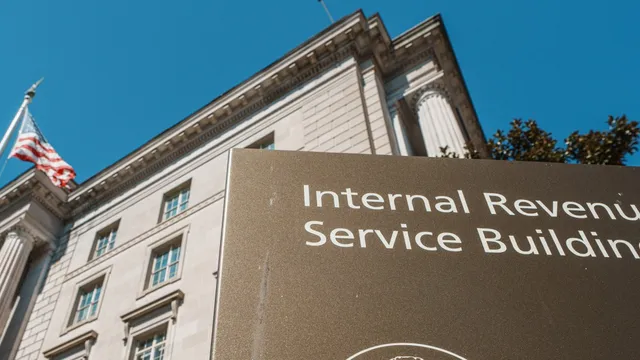
In January 2023, Donald Trump, along with his sons and the Trump Organization, filed a lawsuit against the Internal Revenue Service and the Treasury Department, seeking $10 billion in damages. The suit arose from allegations that the IRS had failed to protect Trump's confidential tax returns, which were leaked by a contractor, Charles Littlejohn, who was sentenced to prison for the offense. U.S. District Judge Kathleen Williams has recently questioned whether the lawsuit can advance in court, as it is unclear whether there is sufficient adverseness between Trump and the IRS for the case to qualify as a legitimate legal dispute under federal law. This raises significant constitutional questions about the limitations on presidential authority in litigation involving governmental agencies that fall under the president's control. As the judge requested explanations from both parties regarding the existence of a case and controversy, a hearing is scheduled for later this month in Miami, creating uncertainty about the future of the lawsuit amid ongoing discussions for a potential resolution between Trump and the government. The outcome will have implications on how legal disputes are handled when they involve the sitting president and their relationship with federal agencies. Judge Williams indicated the need for clarification on whether the traditional legal requirements for a case are met in this unprecedented scenario.
Context
The legal implications of a president suing federal agencies involve complex constitutional and statutory interpretations, encompassing the balance of powers among the branches of government. At the core of this issue is whether the president, as head of the executive branch, can initiate legal action against an agency that falls within that branch. Legal precedents and constitutional frameworks typically support the notion that the president exercises authority over federal agencies, allowing decisions to be made and enforced internally rather than through litigation. However, the possibility of a lawsuit raises questions of accountability and the extent to which an executive can challenge his or her own administration's actions. The Administrative Procedures Act (APA) governs the way federal agencies develop and issue regulations and permits judicial review of agency actions. This includes allowing parties affected by agency decisions to challenge them in court. If a president were to sue a federal agency, it could generate significant legal scrutiny regarding the appropriateness of such an action and the potential for the court to adjudicate between branches of government. Courts generally avoid resolving disputes that could disrupt the principle of separation of powers, which might complicate the president's ability to bring a lawsuit. Moreover, allowing the president to sue an agency could set a challenging precedent, opening the door to potential conflicts between the president and other executive officials and complicating administrative governance. Additionally, such a lawsuit could lead to questions about the funding and resources allocated to federal agencies as they may have to engage in litigation against their leader. Legal experts suggest that the implications of a presidential lawsuit against a federal agency could not only shift the dynamics of executive accountability but also influence the operational efficacy of federal governance as a whole, impacting policy and regulatory frameworks. In conclusion, while the legal landscape supports a president's broad authority over federal agencies, the concept of a president suing such agencies introduces complexities related to executive authority, the balance of powers, and the functioning of governance. Such an action raises critical concerns about separation of powers, agency autonomy, and the implications for the rule of law. Ultimately, navigating these legal waters requires careful consideration of historical context, statutory interpretations, and evolving constitutional norms.


