
politics
controversial
provocative

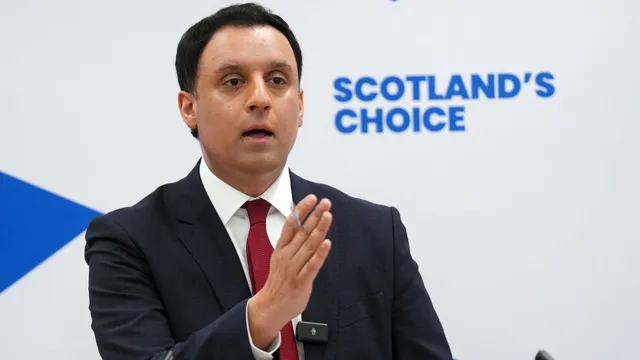
Anas Sarwar pledges to ban transgender women from female prisons

Feb 2, 2026, 11:26 AM20
(Update: Feb 3, 2026, 1:13 PM)
Leader of the Scottish Labour Party
political party in the United Kingdom

Anas Sarwar pledges to ban transgender women from female prisons

  • Anas Sarwar proposes a ban on transgender women in female prisons if elected as first minister.
  • Current Scottish Prison Service guidelines allow transgender women in women's prisons if they do not pose risks.
  • The implementation of Sarwar's pledge could lead to major legal and social implications in Scotland.
Share opinion
Tip: Add insight, not just a reaction
2

Story

The Scottish Labour leader, Anas Sarwar, announced his intention to prohibit the housing of transgender women in the female prison estate if his party gains power in the upcoming Holyrood election scheduled for May. This commitment follows rising tensions and legal challenges related to the management of transgender prisoners in Scotland, particularly after the controversial case involving transgender rapist Isla Bryson, who was initially placed in a women's prison. Sarwar emphasized that the current guidelines allowed for unacceptable risks and compromised the safety and dignity of biological women in prisons. The Court of Session in Edinburgh has become the focal point for this issue, as campaign group For Women Scotland (FWS) is challenging the Scottish government's policy regarding transgender individuals in prisons, arguing that it is unlawful according to a landmark Supreme Court ruling from last year. The Supreme Court defined 'woman' in biological terms, setting off arguments regarding the rights of biological women versus those of transgender individuals. Advocate Aidan O'Neill, representing FWS, criticized the government's policy as 'Orwellian' and damaging to the rights of biological females, suggesting that it undermines their safety. Current guidance from the Scottish Prison Service accommodates transgender women under certain conditions, specifically if they do not pose a violence risk to other inmates. The Scottish government plans to defend this approach, arguing that a blanket exclusion based solely on biological sex would violate the human rights of some prisoners. The legal dispute in court suggests that there is significant public concern and ongoing debate about the rights of transgender people versus the need for safe spaces for biological women, particularly in sensitive environments like prisons. The clash between inclusivity for transgender individuals and the safeguarding of women in prisons is under intense scrutiny and raises fundamental questions about equality and safety. The Scottish Conservatives have criticized Sarwar and reminded voters of past positions taken by the Labour party, highlighting ongoing political divisions on this issue. As the court proceedings unfold, the implications of these policies and their impact on wider societal norms in Scotland will continue to be hotly debated, showcasing the complexities involved in reconciling the rights of different groups within the legal framework.

2026 All rights reserved
