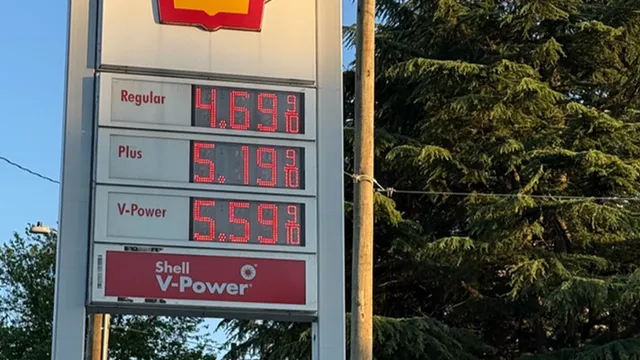
In recent weeks, tensions between the United States and Iran have escalated significantly, with President Donald Trump making alarming threats regarding military action. Trump stated that he is contemplating a massive attack on Iran, which he described as 'bigger than ever before.' He indicated that the U.S. is prepared for such an action, suggesting that Iran has not yet felt sufficient pressure to engage in negotiations. This rhetoric follows a series of U.S. attacks on Iranian civilian infrastructure, which have raised concerns about potential war crimes under international law. The U.S. has already targeted various civilian facilities, including bridges and power plants, leading to significant disruptions in essential services for the Iranian population. Local officials reported that these attacks have resulted in power outages and affected the drinking water supply for thousands of people. The situation is further complicated by the geopolitical landscape, with the U.S. accusing Iran of supporting hostile actions in the region, particularly through groups like the Houthis. Secretary of State Marco Rubio emphasized that the U.S. would hold Iran accountable for any attacks against American interests, indicating a hardline stance from the Trump administration. As the conflict continues, the implications for global oil prices are significant, with experts warning that rising gas prices could pressure the Trump administration to seek negotiations with Iran. The national average for gasoline has already surpassed $4 per gallon, a politically sensitive threshold that could prompt a shift in U.S. policy. The ongoing turmoil in the region, coupled with the potential for further military action, raises serious concerns about the humanitarian impact on the Iranian people and the broader implications for international relations.