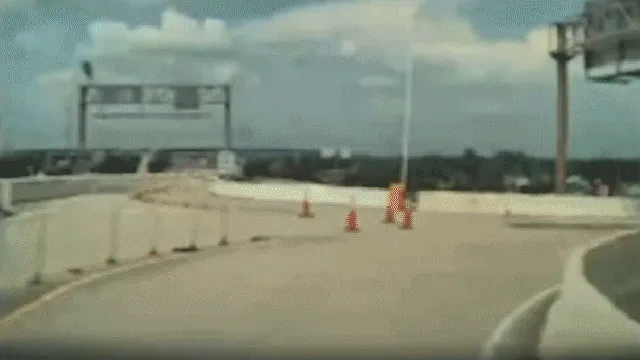
In Texas, a woman named Justine Saint Amour filed a lawsuit against Tesla after a distressing incident involving her Cybertruck last year. On August 18, 2025, while driving on the Eastex Freeway in Houston, she had engaged the autopilot feature when the vehicle unexpectedly veered off course. Dashcam footage showed her Cybertruck failing to navigate a curve and instead heading straight for a concrete barrier, resulting in a significant collision. This terrifying event left Saint Amour with severe injuries, including herniated discs in her lower back and neck, along with injuries to her shoulder.
The lawsuit alleges that Tesla misrepresented the capabilities of its Autopilot feature, claiming it to be safer and more effective than it is. Attorney Bob Hilliard, representing Saint Amour, argued that the company neglected vital safety measures that could have potentially prevented the crash. The attorney emphasized that Tesla's reliance on cheap video camera technology, rather than advanced sensing systems like LiDAR, compromises driver safety. Furthermore, the vehicle lacked a proper alert system, preventing drivers from sufficiently intervening in critical situations like the one experienced by Saint Amour.
This case emerged during a period when Tesla was under scrutiny for its marketing practices, particularly concerning the Autopilot and Full Self-Driving features. California’s Department of Motor Vehicles had previously initiated legal action against the automaker, accusing it of misleading advertising regarding the functionality and capabilities of its driver-assistance systems. In light of these controversies, Tesla recently altered the branding of its system to better convey its true nature and limitations, moving away from terms that suggest full autonomy.
The outcome of this lawsuit may have significant implications for Tesla and its liability concerning its autonomous driving technology. The case raises critical questions about the safety and effectiveness of current driver-assistance systems and how manufacturers communicate these capabilities to consumers. By asserting that Tesla's decisions led to this incident, Saint Amour's legal team aims to hold the company accountable for its product's failures and miscommunication regarding its functionality.