

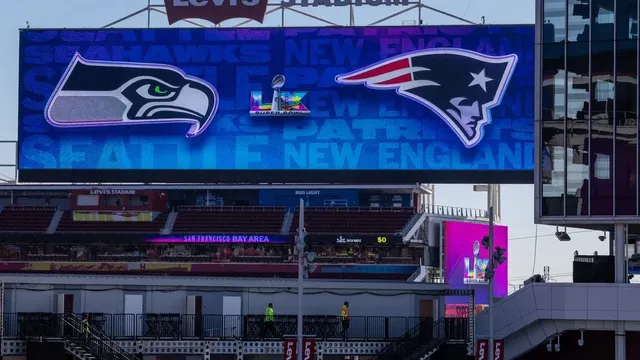
NFL enhances Super Bowl security with tech upgrades and bomb-sniffing dogs
NFL enhances Super Bowl security with tech upgrades and bomb-sniffing dogs
- Super Bowl LX took place on February 4, 2026, at Levi's Stadium in Santa Clara, California.
- ATF deployed bomb-sniffing dogs and conducted extensive searches to ensure safety for the event.
- The NFL's tech upgrades and cybersecurity measures signify a comprehensive approach to event security.
Story
In Santa Clara, California, federal law enforcement agencies, including the Bureau of Alcohol, Firearms, Tobacco and Explosives (ATF), prepared for Super Bowl LX held on February 4, 2026. As part of their security strategy, they utilized highly trained bomb-sniffing dogs: Carolina and Belle, both black Labrador retrievers. These K9s, along with over five other canine units in the Bay Area, conducted extensive searches to ensure safety for the high-profile event. Preparations for this security operation commenced more than a year in advance to effectively address the unique complexities of such a major occasion. In tandem with the physical security measures, the NFL implemented robust cybersecurity protocols to defend against potential AI-driven attacks. Tech upgrades included miles of fiber optic cables and wireless access points that would handle the significant amount of data generated by the approximately 65,000 spectators at Levi’s Stadium. These enhancements were part of a comprehensive $200 million upgrade package aimed at improving connectivity and security at the venue. Additionally, the NFL established a cyber command center within the stadium to monitor and respond to potential cybersecurity threats. NFL Senior Director of Cybersecurity George Griesler and other officials recognized a shift in the threat landscape, specifically emphasizing the growing risks associated with AI. They anticipated that the overall volume of data uploaded by fans would exceed 35 terabytes during the game, warranting increased focus on efficient wireless connections. The cooperation between federal agencies and the NFL showcases the proactive measures taken to secure the event, reflecting the complexities of modern-day security operations. The rigorous training that the bomb-sniffing dogs undergo, combined with the advanced technological defenses, illustrates a collaborative approach aimed not just at protecting the game itself, but also its attendees and the surrounding community.
Context
The emergence of artificial intelligence (AI) has significantly transformed various industries, including cybersecurity. As cyber threats become more sophisticated, AI technologies are being increasingly adopted to detect, prevent, and respond to these threats. However, the duality of AI's role in cybersecurity is critical to understanding the full impact it has on cyber threats. On one hand, AI enhances security measures by automating threat detection, analyzing vast amounts of data quickly, and identifying patterns that might indicate a cyber attack. This proactive approach allows organizations to respond to threats more efficiently, minimizing potential damage and improving overall security posture. For example, AI systems can leverage machine learning algorithms to recognize previously unseen malware or phishing attempts with great accuracy, thereby enabling organizations to act before a breach occurs. Additionally, AI-driven threat intelligence platforms can provide real-time updates on emerging threats, allowing security teams to stay ahead of cybercriminals.


