

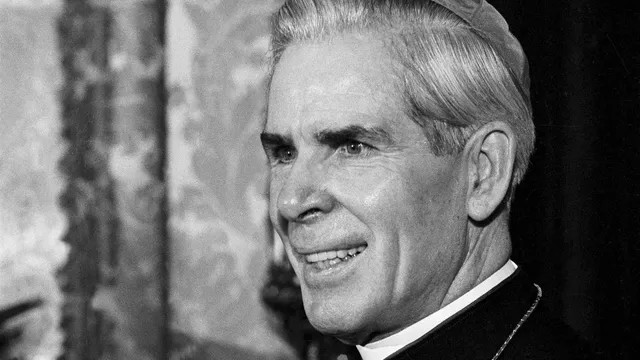
Vatican finally approves beatification of Fulton Sheen after delays
Vatican finally approves beatification of Fulton Sheen after delays
- The Vatican has reinstated Archbishop Fulton Sheen's beatification process after prior delays.
- Concerns about his handling of clergy misconduct cases led to a lengthy investigation.
- Sheen's beatification is now set to proceed in Peoria, Illinois, representing a significant moment for his supporters and for the Catholic Church.
Story
In early February 2026, the Vatican officially approved the beatification of Archbishop Fulton Sheen, a significant figure in American religious media history. This approval marks a pivotal moment in Sheen's long and complicated path toward sainthood, which has faced numerous obstacles including legal disputes regarding his remains and scrutiny over how he managed allegations of clergy sexual misconduct during his tenure as a bishop in Rochester, New York. The Peoria diocese, where Sheen was born and where his remains were ultimately interred, announced this decision, stating it was now able to proceed with the beatification ceremony as originally intended in Peoria, Illinois. Although no specific date for the beatification was announced, Peoria Bishop Louis Tylka expressed optimism about the upcoming ceremony. Sheen, born in 1895, gained nationwide fame as a radio and television preacher, pioneering the televangelism format that would influence countless others. He won an Emmy Award and appeared on the cover of Time Magazine, becoming known as one of the most influential Catholics of the 20th century. His television show, “Life is Worth Living,” aired in the 1950s and resonated with a wide audience during a period when mass media was beginning to play a significant role in religion. The road to beatification has been tumultuous for Sheen since his death in 1979. Initially, his cause for sainthood gained traction, bolstered by the recognition of a miracle attributed to his intercession, confirmed by Pope Francis on July 6, 2019. A ceremony was planned for December 21, 2019, but was postponed just weeks ahead due to an emerging controversy surrounding Sheen's legacy. This included a request from the Rochester diocese for additional investigation into Sheen’s management of two priests accused of sexual misconduct during his episcopacy, raising serious concerns about his suitability for canonization. A six-year investigation followed, during which his reputation was scrutinized, but a top official from Peoria later declared Sheen cleared of any wrongdoing. This investigation was part of a larger concern regarding the Church's handling of such cases and the need for transparency, especially in light of numerous abuse scandals within the Catholic Church around the same time. The latest announcement from the church signifies not only a step forward for Sheen's legacy but also reflects the ongoing efforts by various church figures to navigate the complexities surrounding clerical sexual misconduct while advancing the causes for beatification of influential religious figures. Through a collaborative effort with the Vatican’s Dicastery of the Causes of Saints, the Peoria diocese aims to finalize the details of the ceremony, which will undoubtedly be a momentous occasion for Sheen’s supporters and the Catholic community.
Context
Fulton J. Sheen was a prominent American bishop of the Roman Catholic Church who became widely known for his work in television, radio, and his books. Born on May 8, 1895, in El Paso, Illinois, Sheen demonstrated an early aptitude for oratory and public speaking, which would later serve him well in his media career. He was ordained a priest in 1919 and later became a bishop in 1951. His innovative approach to evangelism through mass media, particularly in the 1950s and 1960s, set him apart from his contemporaries, making him a valuable figure in the burgeoning field of televangelism. His television program, "Life Is Worth Living," attracted millions of viewers and was notable for its direct and engaging style, bringing complex theological topics to a broad audience in an accessible manner. Sheen's impact on televangelism cannot be overstated. He utilized the medium of television not simply as a means of imparting religious teachings, but as a platform to connect with people on a personal level. His charisma, combined with his ability to address contemporary issues through a theological lens, resonated with viewers. As one of the first religious leaders to effectively harness television for evangelism, Sheen paved the way for future televangelists who would follow in his footsteps. He understood the significance of television as a cultural force and embraced it as an instrument for spiritual outreach, contributing significantly to the growth of televised religious programming. Throughout his career, Sheen garnered numerous accolades for his contributions to media and religion, including an Emmy Award in 1952 for the category of Best Male Personality. His books, such as "Peace of Soul" and "The Life of Christ," further solidified his influence, reaching audiences beyond those who viewed his television program. The combination of his media presence and written works established a lasting legacy, inspiring future generations of religious communicators. Moreover, Sheen's insistence on quality content and his commitment to addressing moral and social issues highlighted the role of religious figures in public discourse during a pivotal time in American society. By the time of his passing in 1979, Fulton Sheen had not only left a profound mark on the Catholic Church but had also significantly shaped the landscape of televangelism. His pioneering work laid the foundation for modern religious broadcasting, influencing various religious leaders and organizations that followed. As the landscape of media continues to evolve, Sheen's approach to faith and communication remains relevant, showcasing the importance of adaptability and connection in the dissemination of spiritual messages, a lesson that still resonates in today’s digital age.


