

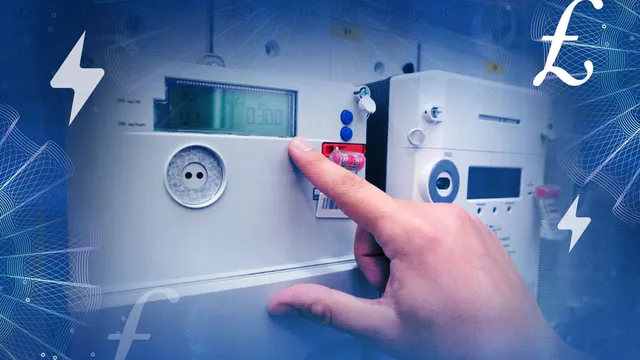
Energy price cap drops but uncertainty looms due to conflict
Energy price cap drops but uncertainty looms due to conflict
- The UK energy price cap will be reduced by 7% to £1,641 starting April 1, 2026.
- The decrease occurs amidst geopolitical uncertainties and persistently high energy prices due to ongoing conflicts.
- Although there will be savings on energy bills, many households will still face pressures from increased network costs and rising energy debt.
Story
In the UK, the energy price cap is set to decrease by 7% to £1,641 per year for an average household starting from April 1, 2026. This change comes amidst a backdrop of continued volatility in gas and electricity prices, which have remained high since the onset of the war in Ukraine four years ago. Since February 2022, the conflict has had significant repercussions for energy markets, leading to unprecedented spikes in wholesale prices. As of now, the costs of energy remain considerably higher than pre-war levels, with household energy bills still 40% above historical norms. The government's recent budget pledges included a commitment to reduce energy bills by £150 annually for households through the removal of certain environmental levies. However, this reduction translates to an average saving of about £130 for typical consumers, as reported by Ofgem, the UK's energy regulator. This discrepancy arises because the actual savings per household vary depending on their energy usage; higher consumption results in larger savings. Despite this, households are likely to feel the pinch due to increased energy network costs, which are expected to add around £108 annually to household energy expenses by 2031. Furthermore, while wholesale gas prices have decreased significantly from their peak, they remain unstable. Factors such as geopolitical risks continue to exert influence over market dynamics. There are concerns regarding the potential for escalating conflicts that could further disrupt gas supplies, particularly in light of tensions in the Middle East. The ongoing conflict in Ukraine and the risk of a military confrontation in Iran could lead to renewed volatility in energy prices, impacting any potential future cap adjustments. Energy debt has also emerged as a pressing issue, with reports indicating that about two million households in the UK are currently in debt to their energy suppliers. This situation is compounded by the fact that nearly three-fifths of these households are not enrolled in repayment plans, which essentially means that many are unable to manage their energy expenses effectively. Overall, the energy situation remains precarious, underscoring the delicate balance between achieving reductions in energy costs and addressing broader infrastructural and geopolitical challenges.
Context
The ongoing conflict between Russia and Ukraine has had a significant and multifaceted impact on UK energy prices. The war, which escalated in February 2022, has disrupted traditional energy supply chains, especially in Europe, where many countries, including the UK, have depended on Russian energy supplies. The geopolitical tensions have led to sanctions imposed on Russia, which in turn have caused a ripple effect on global energy markets. As a result, the cost of oil and natural gas has skyrocketed, creating a challenging environment for consumers and businesses alike in the UK. With higher costs of energy, inflation has become a pressing issue, adding strain to household budgets and threatening economic recovery in the post-pandemic period. The UK's energy security has come under scrutiny in light of the war. The reliance on imported fossil fuels has prompted calls for a more robust energy strategy that emphasizes diversification and the transition to renewable energy sources. With gas prices previously peaking and fluctuating dramatically due to uncertainty surrounding supply from Russia, the British government has initiated various measures to mitigate the impact on consumers, including financial support packages and incentives to promote energy efficiency. The rise in energy prices has also accelerated discussions on reducing dependency on fossil fuels and increasing investments in alternative energy solutions, thereby aligning with the UK’s long-term climate goals. Furthermore, the energy crisis prompted by the war has exposed vulnerabilities in energy infrastructure and highlighted the importance of resilience in the face of global disruptions. While the UK is not as reliant on Russian gas as some of its European neighbors, the interconnections within the EU energy system mean that shocks in one area can have broader implications. The UK has sought to enhance its domestic production capabilities by investing in domestic oil reserves and reinforcing the electricity grid to better accommodate renewable energy sources. This transition involves not only upgrading facilities but also ensuring that the workforce is equipped with the necessary skills to handle new technologies. Ultimately, the impact of the Russia-Ukraine war on UK energy prices signals a crucial turning point for the UK's energy policy and economic strategy. The effects of the conflict have underscored the need for energy sovereignty and the importance of transitioning to sustainable energy practices. As the UK navigates the complexities of an increasingly volatile energy landscape, the integration of alternative energy sources, alongside improved energy efficiency measures, will play a key role in mitigating future price shocks and ensuring long-term stability in energy markets.


