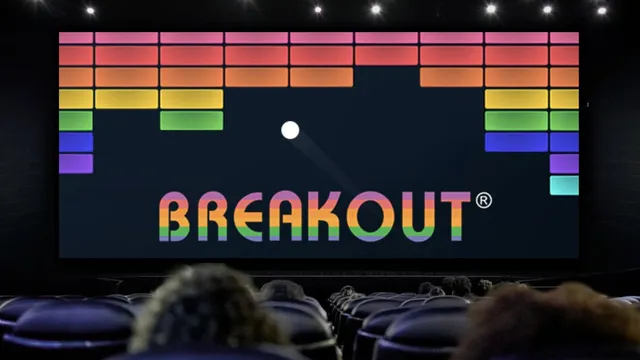
In a significant move for the entertainment industry, Atari, a pioneer in video gaming, has entered into a partnership with Universal Pictures to adapt ten of its classic games into feature films. This announcement, made public recently, marks a notable shift in Hollywood's approach to sourcing content, as studios increasingly look to video games for inspiration. The deal encompasses a range of iconic titles from Atari's extensive backcatalogue, including Pong, Asteroids, and Breakout, among others. Universal Pictures is expected to develop these adaptations into big-scale action-adventure films, aiming to capture the essence of the original games while appealing to modern audiences.
The partnership also involves Entertainment 360, which will assist in the development of these projects. Universal has already begun work on one of the adaptations, although the specific game being adapted has not yet been disclosed. The script is being crafted by writers Matt Reilly and Carl Hampe, who are tasked with translating the unique gameplay and narratives of these classic games into a cinematic format. This collaboration comes at a time when video game adaptations are gaining traction in Hollywood, with recent successes such as the Mario Galaxy film and the Five Nights at Freddy's movie, despite mixed critical reception.
Atari's CEO, Wade Rosen, expressed enthusiasm about the collaboration, highlighting the company's legacy of creating games that have remained culturally relevant for over five decades. The partnership aims to bring the spirit of Atari's iconic brand to a new medium, potentially introducing these classic games to a new generation of fans. However, there is a sense of skepticism among some observers, who recall past failures in video game adaptations, such as the poorly received Pixels film. The challenge will be to create engaging narratives that resonate with both fans of the original games and new viewers.
As the film industry continues to evolve, this partnership between Atari and Universal Pictures could set a precedent for future adaptations of video games. The success of these films may influence how studios approach video game properties moving forward, potentially leading to a new wave of adaptations that prioritize quality storytelling and faithful representations of beloved games. While the timeline for the release of these films remains unclear, the anticipation surrounding this collaboration is palpable, and it will be interesting to see how these adaptations unfold in the coming years.