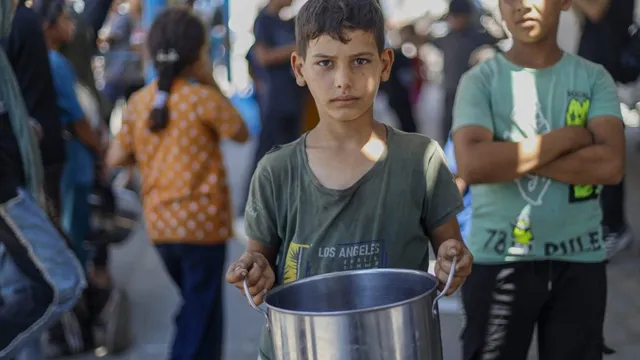
The ongoing conflict in Iran has significant implications for global food security, affecting supply chains, agricultural production, and food prices worldwide. As one of the key players in the Middle East, Iran's geopolitical stability is crucial for the region's agricultural output, particularly in the production of staple crops such as wheat, barley, and rice. The war has disrupted local farming activities, leading to decreased yields and increased food scarcity. Additionally, the conflict has resulted in the destruction of infrastructure, making it difficult for farmers to access markets and for food to be transported efficiently. This disruption not only impacts Iran but also has ripple effects on neighboring countries that rely on Iranian agricultural products and trade routes for their food supply.
Moreover, the war has exacerbated existing tensions in the global food market, contributing to rising prices and increased volatility. As countries impose sanctions and trade restrictions in response to the conflict, the availability of essential food commodities is further compromised. This situation is particularly dire for nations that are heavily dependent on imports, as they face higher costs and potential shortages. The increased competition for limited resources can lead to food insecurity, particularly in vulnerable populations who are already struggling to meet their basic nutritional needs. The situation is further complicated by climate change, which is already putting pressure on agricultural systems worldwide.
The humanitarian impact of the war in Iran cannot be overstated. Millions of people are at risk of food insecurity, with many facing malnutrition and hunger as a direct consequence of the conflict. Displaced populations and refugees often find themselves in precarious situations, lacking access to adequate food and nutrition. International organizations and NGOs are working tirelessly to provide assistance, but the scale of the crisis often outpaces their efforts. The need for a coordinated global response is critical to address the immediate needs of those affected while also working towards long-term solutions that promote stability and resilience in the region.
In conclusion, the impact of the Iran war on global food security is profound and multifaceted. It highlights the interconnectedness of geopolitical events and food systems, emphasizing the need for comprehensive strategies to mitigate the effects of conflict on agriculture and food supply. Policymakers must prioritize diplomatic efforts to resolve the conflict and support initiatives that enhance food security in the region. By addressing the root causes of instability and investing in sustainable agricultural practices, the international community can help to ensure that food security is maintained, even in the face of ongoing challenges.