

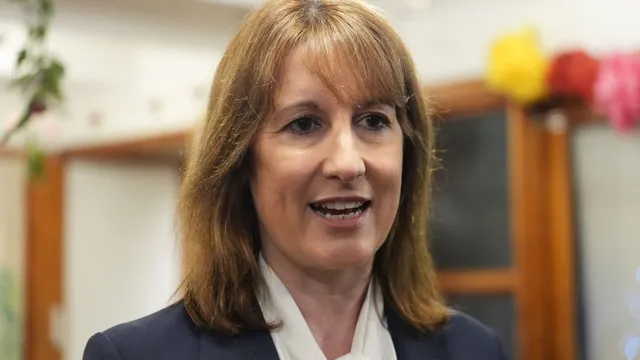
Government confirms majority support to remove two-child benefit cap
Government confirms majority support to remove two-child benefit cap
- MPs have voted overwhelmingly in favor of the Universal Credit (Removal of Two Child Limit) Bill, indicating a significant shift in welfare policy.
- The two-child benefit cap has been questioned for its implications on family welfare and societal divisions.
- If enacted, the removal of this policy is expected to provide financial support for all children in a household, therefore lifting many families out of poverty.
Story
In the United Kingdom, MPs recently voted overwhelmingly in favor of a bill to remove the controversial two-child benefit cap introduced in 2017. This legislation restricts financial support through child tax credit and Universal Credit to only the first two children in a household. The call for scrapping this policy gained momentum after criticisms about its divisive nature, which has been described as creating a dichotomy between the 'deserving' and 'undeserving' poor. Advocates for the change argue that it unfairly penalizes larger families, particularly in a time of rising child poverty in the country. Work and Pensions Secretary Pat McFadden articulated that the two-child limit was less about welfare reform and more a political maneuver that exploited vulnerable families. Following the significant vote margin (458 to 104), the Government aims to enact the removal of the cap by April, sparking hope among families impacted by the policy. Labor MPs had previously faced backlash for delaying the scrapping, citing spending controls, and the Chancellor's autumn budget announcement set a clear path forward for the bill despite these constraints. While the reform has broad support among most MPs and peers, the Conservative Party has expressed intentions to reinstate the policy if they regain power in the future. Conservative representative Helen Whately has posed moral questions about the benefits of the policy, indicating that many families account for financial implications before deciding on having additional children. The leaders of Reform UK have sparked controversy by proposing to narrow the lifting of the benefit cap to families where both parents are British citizens employed full-time. This stance has drawn accusations of racism and discrimination, as it appears to prioritize certain citizens over others regardless of individual family circumstances. Significantly, various campaigners and charities argue this move will help combat child poverty, projecting that lifting the cap could remove around 550,000 children from poverty by 2030. Both the implications of these changes and the vociferous public debate surrounding family responsibilities and social welfare highlight the complexities and societal impacts of welfare reform in the UK. Ultimately, this reform process underscores the ongoing political debates characterizing the intersection of welfare policy and economic considerations in contemporary British society.


