
politics
impactful
controversial

U.S. naval forces enforce blockade against Iranian ports

Apr 16, 2026, 2:00 AM30
(Update: Apr 16, 2026, 8:06 PM)
country primarily in North America
currency of Iran

U.S. naval forces enforce blockade against Iranian ports

  • U.S. defense officials provided updates on the enforcement of the naval blockade.
  • The blockade has led to a significant impact on global oil and gas supplies.
  • The conflict poses major economic concerns for Iran and the international community.
Share opinion
Tip: Add insight, not just a reaction
3

Story

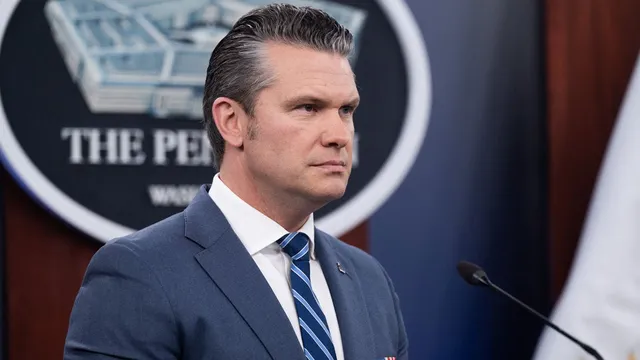
Amid ongoing conflict, the United States has been actively enforcing a naval blockade of Iranian ports, significantly impacting global shipping and energy flows. The blockade, initiated by U.S. President Donald Trump, aims to sever Iran's economic lifelines amidst escalating tensions. Senior U.S. defense officials disclosed at a Pentagon press conference how naval forces are specifically instructing vessels to turn back if they attempt to enter or exit Iranian waters. The enforcement process involves standardized radio warnings to shipmasters, emphasizing the consequences of attempting to breach the blockade. Since the blockade began, U.S. naval forces have delivered approximately 13 warnings, leading many vessels to comply and reverse course. This blockade represents one of Washington's most consequential tools in its conflict with Iran, and as the situation escalates, it raises concerns of further disruption to about 20 percent of the world's oil and liquefied natural gas, which normally transit through the Strait of Hormuz. Iran has experienced significant economic challenges due to this blockade, resulting in fears of increasing inflation and social unrest within the country. Experts indicate that the combination of fiscal stress and social pressure could weaken the Iranian regime's economic base and political control. In response to its growing isolation, Iran may explore alternative methods to maintain its economy, including land routes and smuggling networks, while also relying on other strategies to navigate the economic fallout from U.S. sanctions. As diplomatic maneuvers between Iran and the U.S. continue, uncertainties remain regarding whether a ceasefire can be extended or if hostilities will resume. Market analysts and economists highlight that the regime faces mounting difficulties in sustaining its patronage networks amid declining export revenues and rising prices for essential goods. The unfolding situation signals a pivotal moment in the conflict, with the potential for significant consequences for both regional stability and global energy markets.

Context

The history of US-Iran relations is a complex narrative marked by geopolitical shifts, ideological clashes, and historical grievances. Initially, relations were relatively amicable, with the US supporting Iran’s modernization efforts in the post-World War II era, particularly during the reign of Shah Mohammad Reza Pahlavi. This partnership was driven largely by mutual interests in countering Soviet influence in the region. However, discontent regarding US involvement in Iran's domestic affairs grew, culminating in the CIA-led coup in 1953 that overthrew Prime Minister Mohammad Mossadegh. This event sowed deep-seated resentment among Iranians toward the United States, which would shape future interactions between the two nations. The 1979 Islamic Revolution marked a crucial turning point, as the Shah's regime was replaced by an Islamic Republic led by Ayatollah Ruhollah Khomeini. The revolution was viewed with both alarm and hostility by the US, particularly following the seizure of the US Embassy in Tehran and the subsequent hostage crisis that lasted for 444 days. This breakdown in diplomatic relations led to the imposition of economic sanctions on Iran and solidified the antagonistic dynamics that have persisted ever since, with both sides engaging in a rhetoric laden with accusations and mistrust. Subsequent decades saw periods of heightened tension, particularly during the Iran-Iraq War in the 1980s, where the US supported Iraq under Saddam Hussein indirectly. The 2000s saw further complications, particularly over Iran's nuclear ambitions, resulting in a series of negotiations and agreements culminating in the Joint Comprehensive Plan of Action (JCPOA) in 2015 under President Barack Obama. While the JCPOA was a significant diplomatic achievement, aimed at curbing Iran's nuclear capabilities, it was met with skepticism by Congress and certain allies in the region. The agreement unraveled when President Donald Trump unilaterally withdrew the US from it in 2018, reinstating heavy sanctions on Iran and exacerbating tensions. In the years following the withdrawal from the JCPOA, US-Iran relations have continued to fluctuate between periods of diplomatic overtures and military confrontations. Incidents such as the assassination of Iranian General Qassem Soleimani by a US drone strike in January 2020 and Iran's subsequent retaliation highlight the precarious status quo. As of 2026, the future of US-Iran relations remains uncertain, influenced by regional developments, domestic pressures within both countries, and the broader strategic landscape, including the role of other powers in the Middle East. The historical grievances and complex realities continue to shape the narrative, underscoring the need for a nuanced understanding of each nation's interests and perspectives.

2026 All rights reserved
