

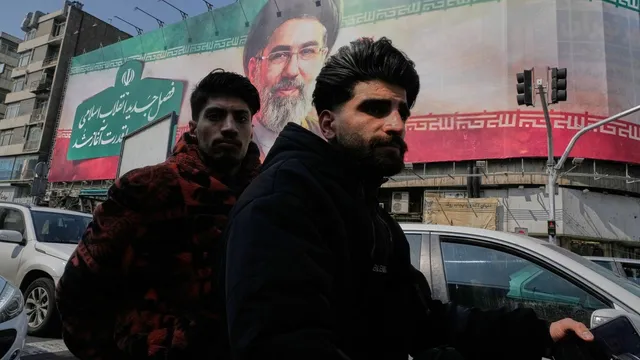
Iran arrests hundreds amid crackdown on dissent during US-Israel war
Iran arrests hundreds amid crackdown on dissent during US-Israel war
- Iran faces a significant rise in security-related arrests amid ongoing US and Israeli conflicts.
- The arrests have been described as a continuation of a crackdown following protests that began in January.
- The Iranian regime is seemingly using these arrests to target dissent and scapegoat minority groups.
Story
In the turmoil following US and Israeli military actions against Iran, security-related arrests have surged across the nation. Reports indicate that thousands have been detained on various charges since February 28, 2026. Ahmadreza Radan, the police chief, revealed that among the arrested, 500 individuals were charged with espionage-related offenses, specifically for allegedly transmitting information to hostile foreign media. The Iranian government states these actions are critical for national security, often labeling detainees as spies. The crackdown is part of a broader campaign to suppress dissent as the Iranian regime faces external pressures from international criticisms and domestic unrest stemming from protests that erupted in January of this year. Reports from human rights organizations suggest a chilling landscape for political and human rights activists, with many detained without clear charges or access to legal representation. In this atmosphere of fear, several detainees are students and teachers, underscoring the regime's effort to stifle dissent among the youth. Particular attention has been given to the arrests of specific individuals. For instance, Dasta Farrokhi, a drama student at Soureh University of Art, was arrested in her family home under unclear circumstances. In another case, 17-year-old Mohammadreza Deyanti was taken by security forces, reflecting a troubling trend of targeting minors in this widespread crackdown. Alongside these arrests, the Iranian regime appears to be targeting ethnic and religious minorities as scapegoats amidst the escalating conflict. The Bahai community and other groups have long faced systemic repression, and the recent military confrontations have intensified accusations against them, labeling them as threats to national security. As the Iranian public grapples with rising prices and the toll of war, the government’s strategy seems aimed at consolidating power by creating enemies within, leading to fears of further rights violations against marginalized communities.
Context
The history of human rights abuses in Iran is a complex narrative that reflects the interplay of political, social, and religious dynamics shaping the country since it became an Islamic Republic in 1979. Following the Iranian Revolution, which overthrew a pro-Western monarchy, the new regime established a theocracy that significantly curtailed individual freedoms. The government subjected its citizens to various human rights abuses, including arbitrary detention, torture, and execution of political prisoners, targeting dissenters, journalists, and anyone perceived as a threat to the Islamic Republic. The period following the revolution was particularly notorious for the widespread purging of those associated with the previous regime, leading to thousands of executions in the late 1980s, a grim chapter that has had lasting impacts on Iranian society and political discourse. In addition to political repression, Iran has also faced international condemnation for its treatment of ethnic and religious minorities. Groups such as the Kurds, Baloch, and Ahwazi Arabs have been systematically marginalized, facing discrimination and violent crackdowns during periods of unrest. The government's stringent enforcement of Islamic laws has particularly impacted women, as they are subjected to laws that limit their rights in areas such as marriage, divorce, and dress code. The penal code, heavily influenced by Sharia law, has enabled severe punishments, including flogging and stoning, disproportionately affecting women. Furthermore, the suppression of the LGBTQ+ community is stark; homosexuality is criminalized, and individuals can face severe penalties, including execution. The 2009 Green Movement marked a significant moment when Iranians rose against the government alleged electoral fraud, leading to broader calls for reform. The authorities responded with brutal crackdowns, employing force against protesters, which highlighted the regime's unwillingness to engage in dialogue about human rights. Over the years, subsequent movements advocating for labor rights, women's rights, and environmental issues have also been met with severe state repression. These episodes have underscored the ongoing struggle of Iranian citizens seeking to assert their rights in the face of systemic abuses. Despite numerous reports by international organizations documenting these abuses and advocating for change, the Iranian government frequently denies allegations and continues to impose restrictions on freedom of speech and assembly. Access to independent media and the internet is heavily censored, further complicating efforts to raise awareness of human rights violations. As the international community remains increasingly aware of Iran's human rights record, the challenge persists in balancing diplomatic engagements while holding the government accountable for its actions. The plight of those who suffer under the regime's policies continues to demand attention, illustrating a continuous need for advocacy and support from the global community.


