

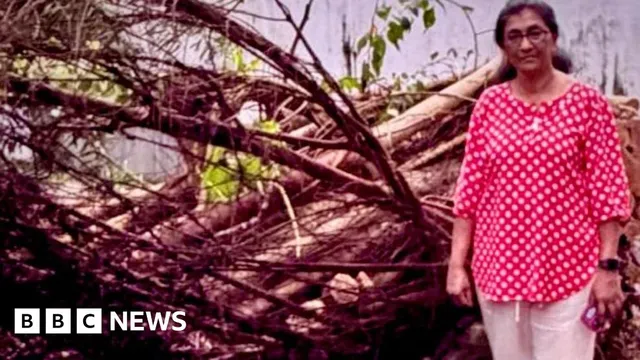
Sri Lankan woman shelters desperate families during floods
Sri Lankan woman shelters desperate families during floods
- Severe flooding caused extensive damage and displacement in Sri Lanka.
- Irie Perera provided shelter and emergency supplies to those affected.
- The local community is suffering from lack of food, water, and income due to the floods.
Story
Sri Lanka experienced severe flooding due to extreme weather, affecting thousands of people. Irie Perera, a Sri Lankan woman living in Southend-on-Sea, who was visiting Colombo for a family wedding, took immediate action by providing shelter to around 25 individuals impacted by the floods at her home in Gampola. The flooding resulted in a dire situation where locals, many of whom are tea plantation workers, faced shortages of essential supplies like food, water, and medicine. This disaster has led to an array of challenges, including the risk of landslides, prompting further evacuations. Irie and her family, along with a charity called Hela Sarana, mobilized to deliver emergency supplies to affected communities. They have provided assistance by distributing packs of dry rations and ensuring that families receive needed care amid what many describe as one of the worst situations the country has ever faced. As a former doctor, Dr. Saman Perera and his wife also joined local efforts to provide help. Both individuals expressed concern for the families who have lost their homes and livelihoods.
Context
The impact of flooding and landslides in Sri Lanka is a critical issue that has compounded over the years due to various environmental and climatic factors. The country is prone to such natural disasters due to its geographical location, characterized by mountainous regions and heavy monsoon rainfall. Flooding often results from intense rainfall, particularly during the monsoon seasons, which inundates low-lying areas and leads to significant loss of property and life. Landslides also pose a severe threat, especially in the hill country, where heavy rains destabilize the soil, causing it to collapse. The combination of these two phenomena not only affects infrastructure but also disrupts livelihoods, displaces communities, and poses risks to public health due to waterborne diseases following flooding events. The socio-economic ramifications of flooding and landslides are profound and multifaceted. Many families, particularly those reliant on agriculture, face economic hardship due to the destruction of crops and farmland. Infrastructure damage affects transportation, communication, and access to essential services, further isolating affected communities. The cost of recovery from such disasters can be overwhelming for the government and aid organizations, resulting in the diversion of resources from other critical areas such as education and health care. Additionally, repeated flooding can lead to a cycle of poverty for vulnerable populations, hindering their ability to rebuild and recover. Effective disaster management is crucial in mitigating the impacts of these natural disasters. The Sri Lankan government, along with various non-governmental organizations, has developed policies and strategies aimed at reducing vulnerability and enhancing resilience among communities. These include early warning systems, investment in infrastructure improvements, and community-focused disaster preparedness programs. Implementing stricter land-use policies and promoting sustainable agricultural practices can also reduce the risk of landslides and flooding by preserving natural barriers that absorb rainfall and stabilize soil. In conclusion, addressing the impact of flooding and landslides in Sri Lanka requires a comprehensive approach that encompasses immediate relief efforts and long-term planning. Increased awareness and education about disaster preparedness among local communities can empower them to take proactive measures against potential threats. Moreover, collaboration between government agencies, international organizations, and local stakeholders is essential for creating sustainable solutions. The need to balance economic growth with environmental conservation is vital for the future resilience of Sri Lanka against these life-threatening natural disasters.


