

Chicago couple cancels wedding in Mexico amid escalating cartel violence
Chicago couple cancels wedding in Mexico amid escalating cartel violence
- A Chicago couple canceled their Mexico destination wedding due to escalating cartel violence and government warnings.
- They found an alternative venue in Chicago on short notice after notifying 150 guests of the cancellation.
- This situation reflects a broader trend as multiple events in Mexico were affected by violence, leading to U.S. travel advisories.
Story
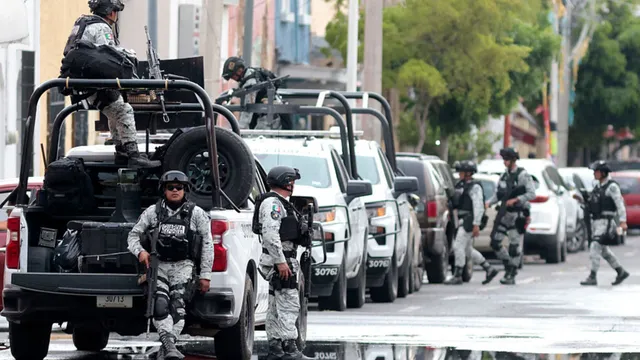
In Mexico, a significant rise in violence occurred following the death of cartel leader Nemesio Oseguera, also known as 'El Mencho.' This escalation prompted safety concerns among U.S. citizens, including a couple from Chicago, Kaitlin Bucaro and Robbie Morris, who had planned a destination wedding in Mexico. With only a week left until their wedding date, they received alarming government warnings about the risks of carjacking, robbery, and kidnapping in Mexico, forcing them to reevaluate their plans. Despite their excitement for their year-long preparation for the wedding at a picturesque location, they were devastated to cancel their ceremony in Mexico. The couple faced the challenging task of notifying 150 guests of the cancellation and finding an alternative venue locally. For them, it felt akin to grieving the loss of their dream wedding. However, they decided that they still wanted to get married on Friday, irrespective of the change in venue. They quickly located The Alston restaurant in Chicago, which was willing to help them create a special event on short notice. Their situation mirrors a larger trend, as several events in Mexico were also affected by cartel violence. Various concerts and professional soccer matches, including four that were scheduled near Guadalajara, were postponed due to the turmoil in the region. The U.S. Embassy in Mexico issued a travel advisory to citizens, warning them about ongoing safety risks and urging them to rethink their travel plans. This advisory was particularly relevant amid spring break travel, as many Americans were planning trips to Mexico. Authorities continue to stress the importance of safety precautions for travelers, advising them to avoid sharing their travel itineraries and to be wary of consuming unregulated alcohol and other illicit items. With the volatility of situations in areas frequently targeted by drug cartels and organized crime, travelers are recommended to remain vigilant, research their destinations, and keep flexible travel plans.
Context
Cartel violence has had a significant and detrimental impact on tourism in Mexico, a country that relies heavily on this sector for economic growth. The rise in drug-related violence, particularly in regions such as Acapulco, Tijuana, and Cancun, has led to increased travel advisories from various governments, prompting many potential travelers to reconsider their trips. As violent incidents such as shootings, kidnappings, and clashes between rival gangs become more frequent, the perception of safety in Mexico has deteriorated. This decline in perceived safety has resulted in a notable drop in tourist arrivals, affecting local businesses and livelihoods in areas that previously thrived on tourism revenue. The tourism sector is particularly sensitive to perceptions of safety, and the portrayal of Mexico in international media often exacerbates this situation. Negative headlines surrounding violent events overshadow the country’s rich cultural heritage, natural beauty, and hospitality. Tour operators and travel agencies report cancellations and decreased reservations as travelers opt for alternative destinations perceived as safer. This decline in tourism not only affects major tourist hotspots but also has a cascading effect on local economies that depend on visitor spending. In response to this crisis, the Mexican government has undertaken various measures to combat cartel violence, aiming to restore safety and confidence among tourists. Increased security presence in tourist areas, implementation of community policing, and collaborations with international law enforcement are a few steps that have been taken. However, the effectiveness of these measures is still under scrutiny, and the ongoing violence poses a significant challenge. Additionally, the economic fallout from decreased tourism revenue creates a vicious cycle, wherein affected communities may struggle economically and resort to crime, further perpetuating the violence. While recovery is possible, it requires a concerted effort from both the government and the private sector to address safety concerns sincerely while promoting the positive aspects of the country. Tourism campaigns focusing on safe travel experiences, highlighting secure regions, and fostering community engagement can help counteract the negative perceptions associated with cartel violence. Only by addressing the root causes of violence can Mexico hope to revitalize its tourism industry and restore faith in its capacity to provide a safe and welcoming environment for all visitors.


