

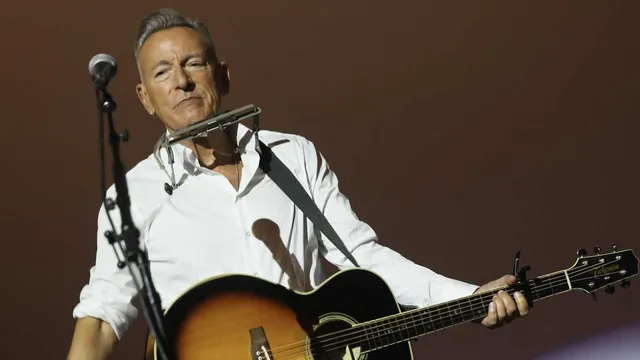
Bruce Springsteen demands ice get out of Minneapolis at concert
Bruce Springsteen demands ice get out of Minneapolis at concert
- Bruce Springsteen condemned ICE's presence in Minneapolis during a New Jersey concert.
- He dedicated his performance of 'The Promised Land' to Renee Nicole Good, who was killed by an ICE officer.
- Springsteen's remarks reflect widespread protests and calls for ICE to leave the city.
Story
In early January 2026, Bruce Springsteen made headlines during a concert at the Count Basie Center for the Arts in New Jersey when he spoke out against U.S. Immigration and Customs Enforcement (ICE). His remarks came after a tragic incident in Minneapolis, where an ICE officer shot and killed Renee Good, an American citizen and mother of three. This event sparked widespread outrage and protests in the Twin Cities, prompting local leaders to condemn the actions of ICE. Minneapolis Mayor Jacob Frey echoed Springsteen's sentiments, calling for the removal of ICE agents from the city, stating that their presence was intimidating and unnecessary. Springsteen criticized the tactics used by ICE, comparing them to Gestapo methods, which highlighted the tension surrounding federal enforcement actions in communities. The rocker dedicated his iconic song
Context
In recent years, Minneapolis has emerged as a focal point for protests against the presence and actions of Immigration and Customs Enforcement (ICE) in the community. Community groups and activists have increasingly voiced their concerns regarding ICE's tactics, especially those perceived as aggressive and detrimental to immigrant rights. The protests are not merely a response to isolated incidents, but reflect a broader discontent with national immigration policies that many consider inhumane and harmful to immigrant families. Activists in Minneapolis have been particularly concerned about the fear and trauma that ICE operations create within immigrant communities, leading to a pervasive sense of insecurity and isolation. The protests themselves have taken various forms, including peaceful marches, vigils, and speaking engagements aimed at raising awareness about the implications of ICE’s enforcement activities. Local leaders and organizations have emphasized the need for solidarity among both immigrant and non-immigrant community members, stressing that the fight against unjust immigration policies is a collective struggle. These events have been instrumental in educating the public about the realities immigrants face, as well as in fostering a sense of unity within the community. The mobilization of diverse groups indicates that many residents see the presence of ICE not just as an immigrant issue, but as a matter of human rights that affects everyone in the community, regardless of their immigration status. Protests against ICE in Minneapolis have also been part of a larger national trend, coinciding with increased visibility of immigration issues across the United States. Activists often draw parallels between the experiences of marginalized communities, arguing that the treatment of immigrants is reflective of broader systemic inequalities. This has led to organized efforts to push for policy changes at the local and state levels, including proposals aimed at limiting cooperation between local law enforcement and federal immigration authorities. Through these initiatives, the Minneapolis community has sought to affirm the dignity and worth of all individuals, regardless of their immigration status, highlighting the need for comprehensive immigration reform. In response to the community's growing activism, city officials have been prompted to engage in dialogue about immigration matters more openly. Some policymakers have expressed their commitment to creating a welcoming environment for all residents, while others remain in contention with federal immigration directives. The ongoing protests have undoubtedly shaped the conversation around immigration in Minneapolis, opening channels for advocacy and support for undocumented individuals. While challenges remain, the continued activism in Minneapolis reflects a resilient commitment to immigrant rights and highlights the urgent need for compassionate immigration reform at both local and national levels.


