

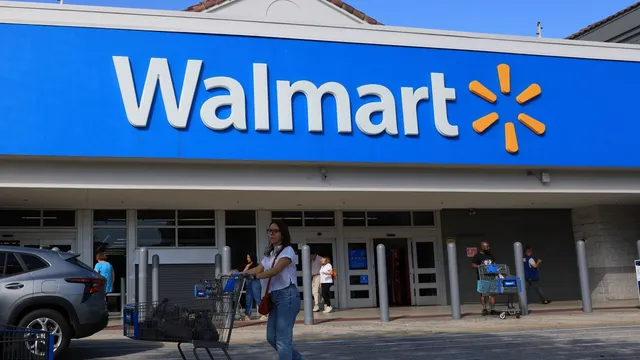
Walmart reaches historic grocery penetration amid financial struggles
Walmart reaches historic grocery penetration amid financial struggles
- Walmart's grocery penetration rose to 72 percent, the largest increase among tracked retailers.
- 70 percent of working-age Americans face difficulty covering a $400 emergency expense.
- Consumers are increasingly shifting their shopping habits to more affordable retailers due to financial pressures.
Story
In December 2023, Walmart's grocery penetration hit 72 percent, marking a significant year-over-year increase of six percentage points, according to data firm Dunnhumby. This growth is primarily attributed to rising financial insecurity among American households, particularly those aged 18 to 54. The report revealed that 70 percent of working-age Americans face difficulties managing unexpected expenses of $400, resulting in a shift toward more affordable shopping options, such as mass retailers and dollar stores. Monthly visits to Walmart have grown to over 190 million, which is approximately 2.5 times more than Dollar General's reach of 28.6 percent. Mass-channel retailers reached a historic collective penetration of 79 percent in December, equaling traditional supermarkets for the first time since the Consumer Trends Tracker's initiation in April 2022. Meanwhile, dollar stores experienced an increase in penetration, surpassing club stores for the first time since August 2023. With a comparative analysis, households earning less than $50,000 reported a perception of food inflation at 23.6 percent, significantly higher than the actual measurement of 2.4 percent, indicating a disparity between perceived and real inflation rates. This rise in grocery penetration at Walmart underscores a larger trend of consumers realigning their shopping behavior based on affordability amid persistent economic pressures. Dunnhumby president, Matt O'Grady, commented that while previous inflation spikes were severe, the current consumer sentiment shows a lasting concern about financial stability that continues even as inflation rates stabilize. The report emphasizes a noticeable shift in shopping preferences towards lower-cost channels, evidenced by 42 percent penetration in dollar stores. Despite a mellowing of inflation rates, the financial distortions experienced by consumers drive a fundamental change in retailer dynamics. The findings indicate that understanding consumer perception around inflation and financial constraints will be crucial for retailers moving forward. Ultimately, the study highlights a significant consumer trend towards mass retailers as shoppers seek to manage their budgets amid ongoing financial insecurities. With various demographics showing different needs and perceptions, retailers will need to adapt their strategies accordingly. Further tracking will be necessary to monitor whether mass-channel penetration can sustain its newfound status alongside traditional supermarkets as price sensitivity remains a key concern for consumers.


