

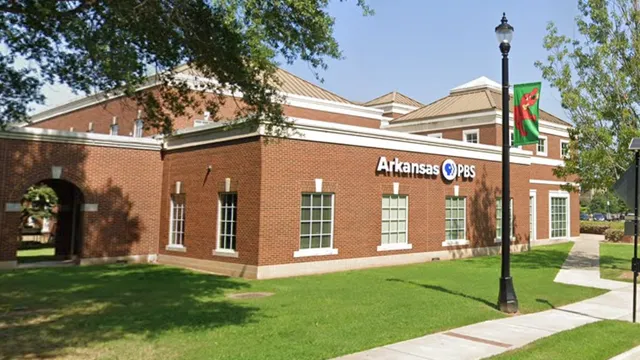
Arkansas cuts ties with PBS amid financial concerns
Arkansas cuts ties with PBS amid financial concerns
- The Arkansas Educational Television Commission voted to end its contract with PBS due to financial reasons.
- This decision marks Arkansas as the first state to cut ties with PBS, impacting access to popular programming.
- Arkansas TV will focus on local content to better serve the community amid financial restructuring.
Story
In a groundbreaking decision, Arkansas became the first state to disaffiliate from the Public Broadcasting Service (PBS), a move officially announced on July 1. This historic change follows a vote by the Arkansas Educational Television Commission, which comprises members appointed by the governor. The commission cited a $2.5 million membership fee as unfeasible and pointed to significant losses in federal funding from the Corporation for Public Broadcasting, which has been under threat of closure. This decision reflects ongoing tensions and budgetary challenges faced by public media across the United States. The agency, now rebranding as Arkansas TV, is shifting its focus towards providing more local content to meet the perceived needs of Arkansans. The Executive Director and CEO, Carlton Wing, noted that public television would not be disappearing in Arkansas but instead evolving to better serve the local community. Important programming and educational resources that PBS provided will be replaced with content specifically catered to Arkansas audiences, which the agency hopes will remain relevant in these shifting times. This decision to cut ties with PBS has drawn mixed reactions from the community. While some view the move towards local programming as a positive step, others express disappointment over the loss of access to beloved PBS shows like “Sesame Street” and “Antiques Roadshow.” Critics, including Arkansas House Democratic Leader Rep. Andrew Collins, have lamented the consequences faced by families who relied on PBS for quality educational programming. The severing of this long-standing relationship comes amid a broader context of federal budgetary cuts affecting public media operations nationwide. The closure of ties has implications beyond the local landscape and highlights a growing trend among states to reassess financial commitments to public broadcasting in light of increasing costs and diminishing federal support. Alabama previously considered a similar step but reversed its decision due to public backlash. The controversy underscores the precarious status of public broadcasting in America, raising questions about future funding and the availability of educational resources for communities across the nation.
Context
The history of PBS funding is a reflection of the evolving relationship between public broadcasting and governmental support over the years. Established in 1969, the Public Broadcasting Service (PBS) was created to provide educational and cultural programming to U.S. citizens. PBS primarily relies on federal funding through the Corporation for Public Broadcasting (CPB), along with viewer donations and state and local funding. Initially, funding for PBS was relatively stable, with government backing playing a crucial role in its development and continued operation. Throughout the 1970s and 1980s, the impact of PBS on American society was widely recognized, leading to greater public support and viewership. However, this also brought challenges as political attitudes toward government funding for public broadcasting began to shift, particularly as fiscal conservatism gained more traction in the U.S. Congress. In the years following, PBS faced several budget cuts, reflecting changing political priorities. During the Reagan administration in the 1980s, substantial cuts to federal funding were proposed, sparking significant public outcry. Many lawmakers argued that PBS should be funded through private means rather than taxpayer dollars, leading to a debate about the role of government in supporting media. Despite these challenges, PBS managed to adapt by building its funding base through increased membership drives and corporate sponsorships, as well as expanding its programming breadth to include popular shows that appealed to a wider audience. The 1990s and 2000s saw fluctuations in funding as Congress debated the role of public broadcasting. Nevertheless, PBS emerged relatively unscathed from major budgetary crises during this period, largely due to public advocacy and the support from passionate viewers who valued the educational content offered by PBS programming. The presence of strong community ties further solidified PBS's position as a staple in American households, receiving support from state legislatures while also reasserting its commitment to educational programming in response to critics. As we moved into the 21st century, the funding landscape for PBS continued to be a point of contention. Recent years have witnessed renewed scrutiny of federal funding amidst broader concerns regarding budget deficits and government spending. Although proposed cuts to PBS funding have occurred, the organization has continued to emphasize the importance of its mission, advocating for the value it brings to communities through accessible educational content. In 2023, PBS and its affiliates were battle-tested yet resilient in their pursuit of funding amidst political challenges. The ongoing dialogue surrounding PBS funding underscores a larger conversation about the value of publicly funded media in fostering informed citizenry and accountability, while also navigating the complexities of modern media consumption.


