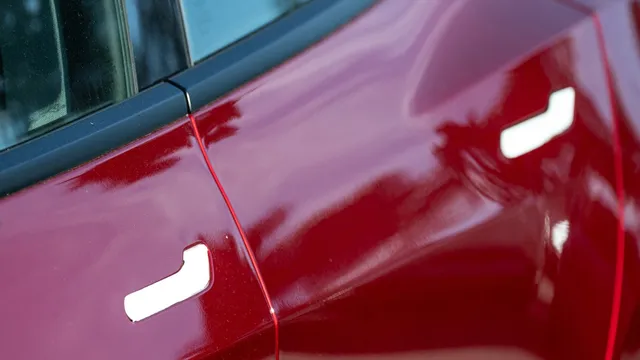
In the United States, the National Highway Traffic Safety Administration (NHTSA) is evaluating potential new safety regulations for car doors following several tragic incidents involving Tesla vehicles. Reports have emerged indicating that occupants and rescuers were unable to open the doors of burning Teslas, leading to fatalities. A December 2025 investigation by Bloomberg highlighted at least 15 deaths linked to this issue, prompting NHTSA to reconsider existing safety standards. Currently, federal regulations do not specify the location or labeling of emergency mechanical door releases, which are crucial when electronic systems fail.
On July 24, 2026, NHTSA denied a citizen's request for a safety defect investigation into the 2022 Tesla Model 3, which claimed that the manual emergency door releases were not easily accessible or identifiable. Instead, the agency determined that the matter would be better addressed through a broader rulemaking process. This decision reflects NHTSA's belief that the issues raised do not indicate a safety-related defect warranting immediate investigation, but rather require a comprehensive approach to rulemaking.
The agency has initiated a process to gather input on a potential new rule that would mandate a robust and obvious door egress system in all vehicles. This initiative began with a petition from a California resident advocating for manual releases that are intuitively obvious and functional even when the vehicle's electrical system is completely inoperative. While NHTSA has accepted the petition, it is important to note that this does not guarantee the issuance of a new safety standard; it merely starts the process of collecting information and public comments.
The proposed rule would apply to all cars sold on or after January 1, 2030, but the timeline for completing the rulemaking process remains uncertain. Experts, including Peter Kurdock, general counsel for Advocates for Highway & Auto Safety, have expressed skepticism about meeting this deadline, citing that similar vehicle safety rulemakings have taken up to 15 years. Although NHTSA could expedite the process, it is likely to be a lengthy journey. Additionally, Congress has the power to accelerate the timeline; a bill requiring NHTSA to mandate accessible mechanical interior door releases has been advanced by the House Committee on Energy and Commerce, but it has yet to pass either chamber.
As the NHTSA moves forward with this rulemaking process, the focus remains on ensuring that all vehicles are equipped with effective emergency door release systems to prevent future tragedies. The agency's actions reflect a growing recognition of the need for improved safety measures in the automotive industry, particularly in light of the increasing reliance on electronic systems in modern vehicles.