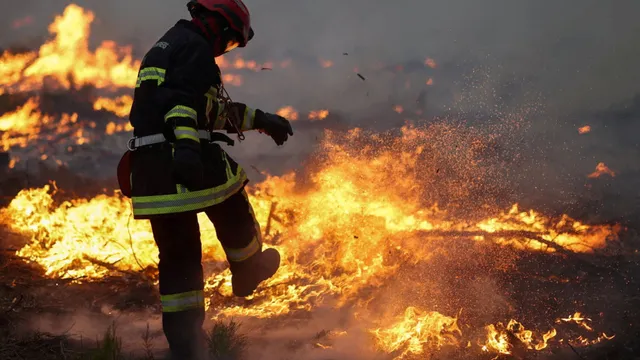
Climate change has emerged as a significant driver of wildfires across Europe, with increasing temperatures, prolonged droughts, and shifting precipitation patterns contributing to the frequency and intensity of these events. The rise in average temperatures, attributed to global warming, has created conditions that are more conducive to wildfires. Regions that were once considered less prone to such disasters are now experiencing unprecedented fire activity. The Mediterranean region, in particular, has seen a marked increase in wildfire occurrences, with summers becoming hotter and drier, leading to a higher likelihood of ignition and rapid fire spread. This trend poses a serious threat to ecosystems, human health, and economic stability in affected areas.
The impact of climate change on wildfires is not only evident in the Mediterranean but also in other parts of Europe, including the northern regions. As climate patterns shift, areas that previously had sufficient moisture are now facing drought conditions, which dry out vegetation and create ample fuel for wildfires. Additionally, the changing climate has led to an increase in extreme weather events, such as thunderstorms and lightning strikes, which can ignite wildfires. The combination of these factors has resulted in a concerning rise in the number of wildfires, with significant implications for biodiversity and land management practices.
The socio-economic consequences of increased wildfire activity are profound. Wildfires can devastate local economies, particularly in regions reliant on tourism, agriculture, and forestry. The destruction of natural landscapes not only affects the livelihoods of those who depend on these resources but also leads to long-term ecological damage. Furthermore, the smoke and pollutants released during wildfires pose serious health risks to nearby populations, exacerbating respiratory issues and other health problems. As wildfires become more frequent and severe, the costs associated with firefighting efforts, property damage, and health care are expected to rise, placing additional strain on public resources and emergency services.
To mitigate the impact of climate change on wildfires, it is essential to adopt comprehensive strategies that include improved land management practices, investment in fire prevention and preparedness, and policies aimed at reducing greenhouse gas emissions. Enhancing forest resilience through controlled burns, creating firebreaks, and promoting sustainable land use can help reduce the risk of catastrophic wildfires. Additionally, public awareness campaigns and community engagement are crucial in fostering a culture of preparedness and resilience. As Europe continues to grapple with the realities of climate change, addressing the challenges posed by wildfires will require coordinated efforts at local, national, and international levels.