
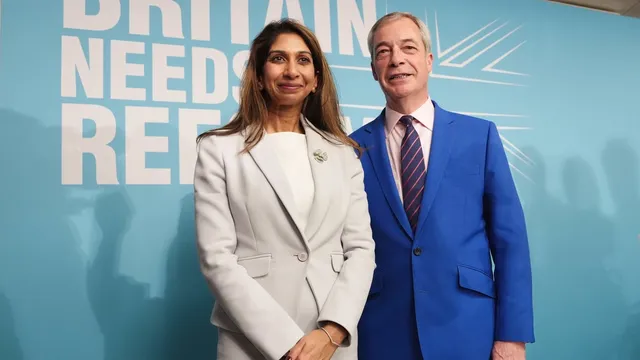
Tories retract harmful claim about Suella Braverman's mental health
- Suella Braverman announced her defection from the Conservative Party to Reform UK after 30 years as a member.
- The Conservative Party faced backlash for their statement regarding Braverman's mental health, leading to a retraction.
- Braverman's departure and the surrounding events highlight significant tension within right-wing politics in the UK.
Story
In January 2026, Suella Braverman, a former member of the Conservative Party in the United Kingdom, formally announced her departure from the party to join Reform UK, marking another significant defection from the Tories. The announcement followed a turbulent period for the Conservative Party, during which Braverman and other right-wing MPs made headlines by leaving the party amid criticisms regarding its direction and leadership. Braverman expressed feelings of betrayal and disillusionment with her former colleagues, indicating that her treatment within the party had impacted her mental well-being. The party's initial reaction to her defection included claims of having cared for her mental health, which provoked widespread criticism from both political opponents and mental health advocacy groups. The backlash led to the Tories retracting their statement, which they labeled as a draft sent by mistake. Mental health professionals highlighted that disclosing such information could further stigmatize individuals facing mental health challenges. As Braverman joined Nigel Farage's party, she took the opportunity to criticize the current Conservative leadership for their failures regarding key policy issues and for straying from what she views as true conservative values. This defection and the events surrounding it sparked discussions about the unity of the right in UK politics, especially as it relates to the growing relevance of Reform UK. Critics of the Conservative Party argued that acknowledging and using someone's mental health in political disputes is inappropriate and harmful, calling for a more respectful discourse moving forward. Braverman's journey through the political landscape has been marked by multiple controversies and criticisms, including targets relating to her previous roles and the party's handling of significant national issues, particularly Brexit.
Context
Mental health advocacy in the United Kingdom has evolved significantly over recent decades, especially in response to political statements and policies. The landscape of mental health care has been shaped by a growing recognition of the importance of mental well-being, and this has often been influenced by the political climate. Political statements that address mental health can raise awareness, shape public perceptions, and influence funding allocations for mental health services. Advocacy groups have utilized these moments to push for reforms, challenge stigma, and ensure that mental health remains a priority on the national agenda. Recent years have seen an increased emphasis on the intersectionality of mental health with other areas such as social justice, economic inequality, and public health, prompting advocates to call for a more holistic and integrated approach to mental health policy-making. Moreover, this advocacy effort has emphasized the need for policies that not only address immediate mental health care needs but also tackle the root causes of mental illness, underscoring the importance of prevention and early intervention strategies as foundational elements of sustainable mental health care systems. The ongoing dialogue between mental health advocates and policymakers is crucial, as advocates play a pivotal role in translating the lived experiences of individuals affected by mental illness into actionable political discourse and legislative frameworks. This exchange is vital in ensuring that mental health legislation and initiatives are informed and responsive to the actual needs of the population, particularly marginalized communities who often face greater barriers to accessing quality mental health care. Engaging in collaborative partnerships with stakeholders—including service users, healthcare professionals, and governmental bodies—can further enhance the efficacy of advocacy initiatives. As the political landscape continues to evolve, it is essential that mental health advocates remain vigilant and proactive, inspiring policy changes that foster an inclusive, equitable, and compassionate approach to mental health care across the UK.
