

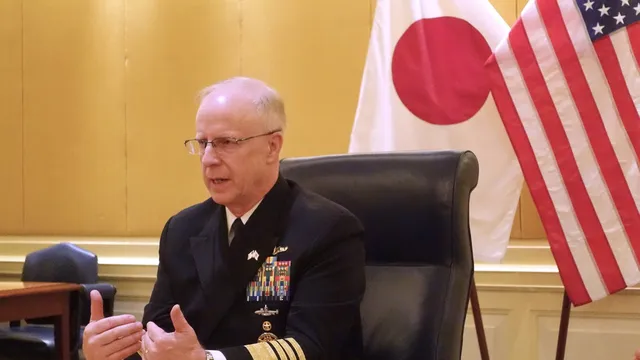
Admiral Daryl Caudle advocates for smaller naval assets instead of aircraft carriers
Admiral Daryl Caudle advocates for smaller naval assets instead of aircraft carriers
- Admiral Daryl Caudle proposes a strategic shift for the Navy, advocating for smaller and newer naval assets instead of traditional large aircraft carriers.
- This strategy is in direct response to the ongoing military deployments and operational strains faced by the Navy in regions like Venezuela and Iran.
- The approach aims to enhance flexibility and operational efficiency while addressing resource constraints and future naval engagements.
Story
In response to increasing global tensions, particularly off the coasts of Venezuela and Iran, the U.S. Navy is undergoing a strategic shift led by Admiral Daryl Caudle. The Navy's top officer proposes a rethinking of deployment strategies, suggesting the use of smaller, newer ships rather than the conventional reliance on large aircraft carriers. This shift is aimed at increasing flexibility and responsiveness to rapidly evolving crisis scenarios. Recent historical context includes the redeployment of the USS Gerald R. Ford and USS Abraham Lincoln from their initial assignments, exemplifying the ongoing strain placed on naval resources by frequent repositioning. Admiral Caudle's vision, termed “Fighting Instructions,” emphasizes the importance of tailoring Naval forces to specific mission needs. In discussions with commanders, he advocates for a strategic approach that includes a mix of tailored ship groups and advanced technologies such as drones and robotic systems. The intent is to provide commanders with innovative options that enhance operational effectiveness while being mindful of resource constraints, particularly in an era marked by mounting maintenance issues for existing vessels. The introduction of this new strategy is also a response to the Trump administration's focus on displaying military might through large-scale naval deployments, particularly in high-tension areas. With the historic move of aircraft carriers to signify U.S. presence amid geopolitical upheavals, there is a growing argument for a shift in how naval power is projected globally. By reducing reliance on monumental ships, the Navy could potentially avert disruptions caused by unpredictable deployment shifts and allow for a more strategic allocation of naval assets. Furthermore, Caudle recognizes the importance of educating naval staff on integrating new capabilities with traditional command practices. As the U.S. Navy seeks to pivot toward more modern engagement methods, the transition will require addressing both technological advancements and operational culture. In an evolving landscape where the Arctic and Pacific play critical roles in national security, Caudle’s proposed modifications to naval tactics could mark a significant change in how the U.S. responds to international maritime challenges, ostensibly setting a precedent for the future of maritime military strategy.


