

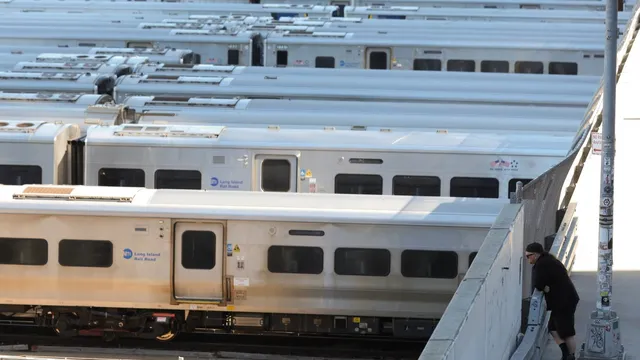
Long Island Rail Road workers strike over wage disputes
Long Island Rail Road workers strike over wage disputes
- Workers at Long Island Rail Road began striking on May 16, 2026, following unsuccessful contract negotiations.
- This strike affects around 250,000 daily commuters, forcing them to seek alternative travel or work from home.
- The ongoing strike highlights significant issues concerning workers' rights and public transportation's impact on local commuters.
Story
On May 16, 2026, in the United States, workers at the Long Island Rail Road (LIRR) commenced a strike after negotiations over their contract stalled. Approximately 250,000 daily commuters faced disruptions as five unions representing around half of the workforce, which includes engineers, machinists, and signalmen, walked off the job. This strike was legally allowed to begin at 12:01 AM on that day and has been anticipated following months of negotiations that involved figures up to President Donald Trump, yet no new talks have been scheduled. Many commuters now have to seek alternative routes into New York City or adapt their work routines, potentially leading to increased traffic congestion on highways and prolonged commutes. Governor Kathy Hochul responded to the strike by advising riders to work from home when possible, given that public transport options became gravely limited. The Metropolitan Transportation Authority (MTA) prepared to offer limited free shuttle services for essential workers during peak hours. Unions argued that pay raises were essential for workers to keep up with rising living costs and inflation, asserting that their contract negotiations have been pending for three years. Union officials expressed regret about the situation, emphasizing the necessity of fair wages while also predicting a considerable impact on commuters. Commuter feedback highlighted fears of worsening traffic conditions as more individuals would be driven to their cars due to the rail service shutdown. The MTA maintained that it had provided substantial wage increases in earlier negotiations, yet it was indicated that the gap left in wage discussions is not insurmountable. If the strike persists, LIRR's typical tickets may double in fare increase for commuters. This scenario has put pressure on both political and transportation agencies to reach an agreement quickly, as masses of commuters are facing inconvenience and frustration due to the strike's fallout. As the strike unfolds, the possibility of a delay in services raises significant concern among commuters who rely on the LIRR daily. This strike reignites discussions about workers' rights, union negotiations, and the socio-economic strife impacting everyday citizens reliant on public transit, especially amidst election pressures for local political figures such as Governor Hochul, who is facing reelection later this year.


