

Aberdeen researchers install sensors to unlock geothermal heating potential
Aberdeen researchers install sensors to unlock geothermal heating potential
- Sensors are being installed across various locations in Aberdeen to monitor geothermal heating.
- This project, supported by various organizations, aims to explore low-carbon heating options.
- The findings will inform future geothermal heating solutions for homes and public buildings in the city.
Story
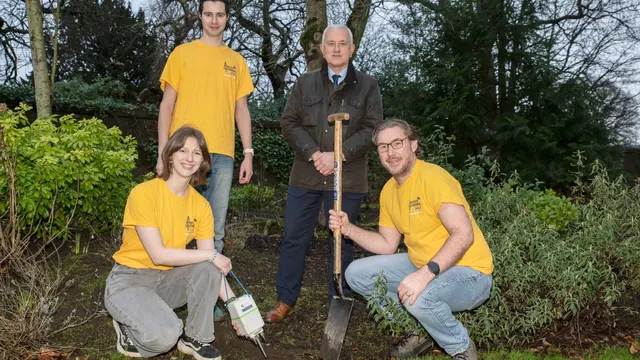
In Aberdeen, Scotland, researchers installed 100 sensors across various public and private green spaces to measure the geothermal heating potential of the area. This initiative, part of the Aberdeen Geothermal Feasibility Pilot, aims to utilize the Earth’s natural underground heat as a clean source of energy for heating buildings. The sensors, which are about 10cm x 10cm x 30cm in size, are designed to record both natural and manmade vibrations and will map the subsurface of the city up to a depth of 5 kilometers. The project is not just about installing sensors; it is driven by the need to find sustainable, low-carbon heating solutions in response to increasing environmental concerns. Funded by a £1 million grant from UK Research and Innovation, it involves collaboration with various local organizations, including NHS Grampian and Aberdeen City Council. In addition to the sensors, researchers plan to drill a 500-meter-deep borehole on the King’s College Campus to monitor geological and hydrological conditions. The installation of the sensors is expected to last one to two months, and the data collected will significantly enhance the understanding of where geothermal heating may be most effective in the city. The involvement of volunteers in placing these sensors highlights community engagement in environmental sustainability initiatives. Insights gained from the project will be crucial for developing localized geothermal heating, which can reduce carbon emissions and contribute to a more sustainable energy future for the region. Dr. Amy Gilligan, a researcher on the team, emphasized the project’s significance, stating that the collected data will help illustrate the geological features beneath Aberdeen, potentially leading to viable geothermal heating solutions for both homes and public buildings in the future. The project represents a critical step towards innovative energy solutions that are essential to addressing climate change and advancing sustainable practices in urban areas.
Context
Geothermal heating is emerging as a viable alternative to traditional heating methods, primarily due to its potential for significantly reducing carbon emissions. This renewable energy source utilizes the heat from the Earth’s interior, providing an efficient means of heating residential and commercial spaces. The impact of geothermal heating on carbon emissions can be framed within the current climate context, which necessitates a shift towards sustainable energy practices to combat global warming. Conventional heating methods, primarily reliant on fossil fuels, contribute to high levels of carbon emissions, whereas geothermal systems offer a cleaner, more sustainable solution that can contribute to climate mitigation efforts. The utilization of geothermal heating systems has been shown to markedly reduce greenhouse gas emissions when compared to fossil fuel-based heating systems. Various studies have demonstrated that geothermal systems can significantly decrease carbon footprints by upwards of 80%. The reduction in carbon emissions achieved through geothermal energy use can be attributed to its reliance on natural heat sources, which do not emit greenhouse gases during operation. Furthermore, the implementation of geothermal heating not only supports individual environmental goals but also aligns with broader national and global targets aimed at reducing carbon emissions and enhancing energy efficiency. In addition to decreasing carbon emissions, geothermal heating contributes to energy security and provides economic benefits. Geothermal energy is continuously available, reducing reliance on imported fossil fuels and enhancing local energy independence. Additionally, investments in geothermal infrastructure can stimulate local economies through job creation in installation, maintenance, and associated fields. By decreasing operational costs over time as energy prices for fossil fuels fluctuate, geothermal systems also present an economically viable long-term investment for homeowners and businesses alike. Though there are challenges associated with the widespread adoption of geothermal heating, such as initial installation costs and site-specific feasibility, increasing advancements in technology and government incentives can help offset these barriers. Educational initiatives and outreach are essential in promoting awareness of the benefits of geothermal heating and advocating for policy adjustments that favor renewable energy investment. Overall, geothermal heating presents a promising pathway to reducing carbon emissions, enhancing energy security, and supporting economic growth, underscoring its crucial role in achieving sustainable energy solutions for a healthier planet.


