Florida faces rise in flesh-eating bacteria cases and fatalities
lifestyle
tragic
informative

Florida faces rise in flesh-eating bacteria cases and fatalities

10
(Update: )
state in the United States of America
  • Florida has reported 12 cases and one death linked to Vibrio vulnificus in 2026.
  • The bacterium thrives in warm coastal waters, especially during the summer months.
  • Health officials warn that infections can escalate quickly and become life-threatening.
Share opinion
1

Story

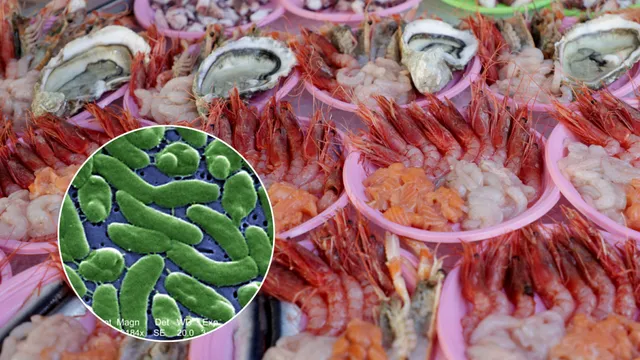
In 2026, Florida has seen a concerning increase in cases of Vibrio vulnificus, a bacterium known for causing severe infections often referred to as 'flesh-eating bacteria.' As of now, health officials have recorded 12 infections and one death linked to this pathogen. This rise in cases coincides with the peak summer season, a time when warm coastal waters create ideal conditions for the bacteria to thrive. The state has previously reported 33 cases and five deaths in 2025, indicating a troubling trend in the prevalence of this infection. Vibrio vulnificus is naturally found in saltwater and brackish water, particularly in areas where fresh and saltwater mix. Individuals can become infected through open wounds that come into contact with contaminated water or by consuming raw or undercooked shellfish, especially oysters. The symptoms of infection vary depending on the route of entry. For those infected through seafood, symptoms may include watery diarrhea, stomach cramps, nausea, vomiting, fever, and chills. Conversely, infections that enter through wounds can lead to redness, pain, swelling, warmth, skin discoloration, and fever. Health officials emphasize the rapid progression of severe infections, which can escalate to necrotizing fasciitis, a life-threatening condition that destroys tissue beneath the skin. In severe cases, the infection can enter the bloodstream, leading to symptoms such as fever, chills, dangerously low blood pressure, blistering skin lesions, and sepsis. The Centers for Disease Control and Prevention (CDC) warns that about one in five individuals with severe infections may die, sometimes within just one or two days of falling ill. To mitigate the risk of infection, the CDC advises beachgoers and seafood consumers to avoid exposing open wounds to saltwater or brackish water. Individuals with cuts or scrapes are encouraged to cover their wounds with waterproof bandages before engaging in activities like swimming, fishing, or boating. Additionally, it is recommended to thoroughly wash any wounds exposed to seawater with soap and clean water. The agency also cautions against consuming raw or undercooked oysters and other shellfish, which are significant sources of infection. While the current number of cases in Florida is lower than the previous year, the recent uptick serves as a reminder of the heightened risk during the state's hottest months, particularly following tropical storms and hurricanes that can alter the distribution of seawater.

Context

Vibrio vulnificus is a bacterium found in warm seawater and is known to cause severe infections, particularly in individuals with compromised immune systems or chronic liver disease. The primary mode of transmission is through the consumption of raw or undercooked seafood, especially oysters, or through open wounds exposed to seawater. Given the potential severity of infections caused by this pathogen, it is crucial to implement effective prevention strategies to minimize the risk of infection. Understanding the environmental conditions that favor the growth of Vibrio vulnificus, such as warm water temperatures, can help individuals make informed decisions about seafood consumption and recreational water activities during warmer months. To prevent Vibrio vulnificus infections, individuals should adhere to several key guidelines. First, it is essential to avoid eating raw or undercooked shellfish, particularly oysters, as they are the primary source of infection. Cooking seafood thoroughly to an internal temperature of at least 145°F (63°C) can effectively kill the bacteria. Additionally, individuals with liver disease, diabetes, or weakened immune systems should avoid consuming raw seafood altogether. It is also advisable to be cautious when handling seafood, ensuring that hands and surfaces are washed thoroughly with soap and water after contact with raw seafood to prevent cross-contamination. Another critical aspect of prevention is to protect open wounds from exposure to seawater, especially in warm coastal areas where Vibrio vulnificus is prevalent. Individuals should cover any cuts or abrasions with waterproof bandages before entering the water and avoid swimming in warm seawater if they have open wounds. If a wound is exposed to seawater, it should be cleaned immediately with soap and water, and medical attention should be sought if any signs of infection, such as redness, swelling, or fever, develop. Awareness of the symptoms of Vibrio vulnificus infection, which can include fever, chills, and skin lesions, is vital for early detection and treatment. In conclusion, preventing Vibrio vulnificus infections requires a combination of safe food handling practices, proper cooking techniques, and wound care. By being aware of the risks associated with raw seafood consumption and taking precautions when engaging in water activities, individuals can significantly reduce their chances of infection. Public health initiatives aimed at educating communities about the dangers of Vibrio vulnificus and promoting safe practices are essential in mitigating the impact of this pathogen, particularly during the warmer months when the risk of infection is heightened.