

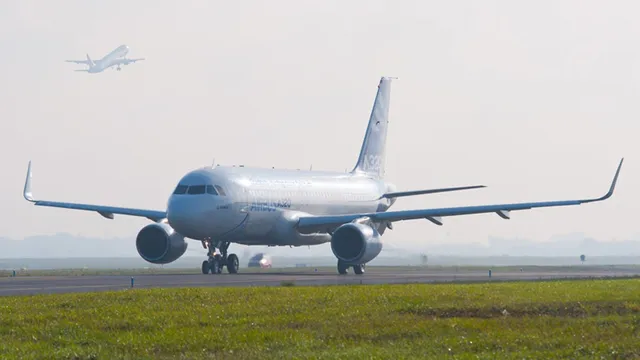
Airbus warns of critical risks due to solar radiation affecting A320 fleet
Airbus warns of critical risks due to solar radiation affecting A320 fleet
- Airbus identified that intense solar radiation could corrupt critical flight control data in its A320 aircraft family, affecting around 6,500 planes.
- As a result, urgent software and hardware modifications are required, with operational disruptions expected for numerous airlines.
- Passenger safety is the top priority, though cancellations and delays may occur.
Story
In late October 2025, Airbus, a leading aircraft manufacturer, identified a serious issue concerning its popular A320 family of aircraft, which includes the A319 and A321 models. The discovery came after a JetBlue jetliner experienced a malfunction during a flight from Cancun to Newark, resulting in a sudden drop in altitude. Investigators found that intense solar radiation was likely to blame for corrupting the data used for essential flight controls. As a result, Airbus promptly called for urgent modifications to be implemented on approximately 6,500 A320 family aircraft currently in operation worldwide. Airbus proactively collaborated with aviation authorities, leading to an Alert Operators Transmission (AOT) notifying airlines to undertake necessary software or hardware fixes to ensure safety. Most of the updates can be accomplished quickly through cockpit software updates; however, around 2,000 older aircraft will require hardware modifications that could keep them grounded for weeks. Despite the urgency and potential operational disruptions, the company assured stakeholders that passenger safety remains its top priority. Many airlines immediately began responding to the situation; for instance, American Airlines activated a comprehensive plan to implement the software updates on its A320 fleet, taking approximately two hours per aircraft. Conversely, British Airways and easyJet prepared for potential cancellations and delays. The European Union Aviation Safety Agency (EASA) is expected to issue an emergency directive addressing the recommended changes and safety measures. As the situation continues to unfold, passengers are advised to stay informed through their respective airlines’ websites for updates on potential impacts to their travel plans. The ongoing maintenance and modifications highlight the delicate balance between innovation in aviation technology and adherence to safety regulations.
Context
The Airbus A320 family, which includes the A318, A319, A320, and A321 models, is a highly successful and widely used series of commercial aircraft. Its design and engineering facilitate a range of operational capabilities, making it a popular choice among airlines around the world. However, with the extensive use of advanced technologies in these aircraft, certain flight control risks have been identified that warrant attention from both manufacturers and operators. Understanding these risks is essential to maintaining the safety and reliability of the A320 family during its operational life cycle. One of the most critical aspects of the flight control systems in Airbus A320 aircraft is the fly-by-wire technology that replaces traditional mechanical linkages with electronic controls. While this technology enhances performance, it also introduces complexities in terms of system reliability and the potential for software-related issues. Moreover, the dependency on electronic systems raises concerns about vulnerability to electrical failures or software malfunctions, which can severely impact aircraft control. Additionally, pilot interactions with these modern systems can lead to unexpected situations, emphasizing the need for rigorous training and simulation to address these challenges. Furthermore, the A320 family flight control risks are compounded by external factors such as environmental conditions and potential human errors. Adverse weather conditions, such as turbulence or icing, can stress the flight control systems and challenge pilots' decision-making capabilities. The continued adaptation of crew training programs is vital to ensure pilots are prepared for all foreseeable scenarios and can respond appropriately if abnormal situations arise. Establishing comprehensive maintenance protocols and regular inspections of flight control systems is also crucial to mitigate risks associated with system degradation over time. In conclusion, while the Airbus A320 family of aircraft has revolutionized air travel, it is essential to remain vigilant regarding the flight control risks connected with its advanced technologies. Ongoing collaboration between manufacturers, regulatory agencies, and operators is necessary to enhance system reliability, improve training programs, and implement best practices for maintenance. By addressing these concerns proactively, stakeholders can work together to ensure that the A320 family continues to operate safely and efficiently, providing passengers with a reliable means of air transport.


