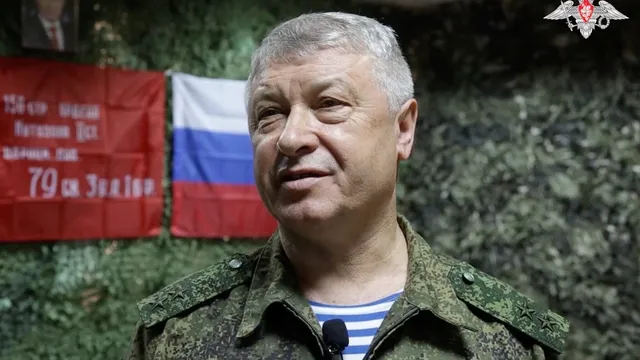
Top Russian general shot outside his home in Moscow
- Lieutenant General Vladimir Alexeyev was shot multiple times outside his home in Moscow.
- The Kremlin has accused Ukraine of responsibility without evidence.
- The incident highlights escalating violence against Russian military officials amid ongoing conflict.
Story
On February 6, 2026, in Moscow, Russia, a high-ranking military officer, Lieutenant General Vladimir Alexeyev, was shot several times outside his residence. Authorities stated that the attack marks another attempt on senior military officials, which has become a troubling trend since the onset of the war in Ukraine nearly four years ago. Following the incident, investigators were deployed to search for the shooter and collect evidence from the scene, including reviewing CCTV footage and interviewing eyewitnesses. The Kremlin quickly accused Ukraine of orchestrating the attack without presenting any evidence to support the claim. World tensions escalated as Russian Foreign Minister Sergei Lavrov suggested that the shooting was a terrorist act intended to disrupt ongoing peace talks. This assertion echoes previous claims regarding Ukraine's alleged involvement in attacks against Russian military officials, further intensifying hostilities. Alexeyev has long been a key figure, orchestrating efforts and negotiations during significant conflicts and military operations. Consistent threats to senior officials within Russia’s military hierarchy have sparked concerns over security measures and the increasing vulnerability of top brass. Various high-profile attacks have been recorded since the war began, including recent assassination attempts on other generals in close proximity to their homes. This situation raises questions about the efficacy of protective measures for military officials, as public outcry grows regarding these developments. Many citizens have expressed disbelief as to how such incidents could occur in Moscow, the capital of Russia. Furthermore, this incident underscores the strategic stakes as Russian leaders focus on maintaining stability amidst ongoing conflicts and international relations, especially with the backdrop of failed negotiations and the resurfacing of hostilities. The critical nature of Alexeyev's role as deputy chief of the Main Directorate of the General Staff illustrates the intersection between military decisions and the contentious political atmosphere surrounding the war. The shooting of an influential figure like Alexeyev might lead to repercussions for both internal military strategies and external diplomatic efforts in the ongoing crisis.
Context
The Russia-Ukraine war began in 2014, following Russia's annexation of Crimea, and has evolved into a complex and prolonged conflict. This war has not only caused significant military and civilian casualties but has also led to a humanitarian crisis and a geopolitical standoff in Eastern Europe. The conflict pits Ukrainian forces against Russian-backed separatists in the eastern regions of Donetsk and Luhansk, which have declared independence from Ukraine. International reactions have been critical, with the United States, the European Union, and various other nations imposing sanctions on Russia while providing support to Ukraine, though the conflict remains largely a frozen conflict with intermittent escalations and ceasefire attempts bringing little success. As of February 2026, the situation remains tense, with sporadic fighting continuing in the Donbas region and diplomatic efforts at resolution yielding limited progress. The war has seen various shifts in the frontline, with both sides engaging in combat that reflects the complicated mix of national pride, security considerations, and foreign influence. The humanitarian impact continues to be dire, with millions of internally displaced individuals and widespread destruction of infrastructure, making daily life extremely difficult. Various international organizations have reported on the significant need for aid, exacerbated by the drawing of resources from Ukraine into military engagements rather than rebuilding efforts. The international community has continued to push for a diplomatic resolution, emphasizing dialogue and negotiation; however, differing priorities and narratives between Russia and Ukraine impede progress. Ukraine is adamant about regaining control of its entire territory, while Russia seeks to maintain its influence in the region. NATO's role in the conflict has also been a point of contention, with Russia viewing NATO's support for Ukraine as a direct threat to its national security. This dynamic has implications for other countries in Eastern Europe, particularly those with historical ties to Russia, further complicating the broader security landscape and international relations. While the prospects for a lasting peace remain bleak, ongoing developments, such as military maneuvers, external diplomatic engagements, and the changing political climates in both Russia and Ukraine, will undoubtedly shape the future of the region. Analysts suggest that without a significant shift in the negotiating posture of either side or a change in the geopolitical environment, the conflict may persist, continuing to exhibit traits of a protracted war with no clear resolution in sight.