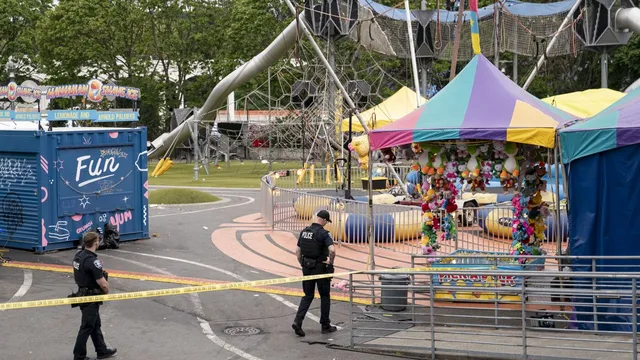
Three killed in mass shooting at Seattle festival
military conflicts
tragic
impactful

Three killed in mass shooting at Seattle festival

10
(Update: )
city in and county seat of King County, Washington, United States
country primarily in North America
country in Western Asia
  • A mass shooting at a Seattle food festival resulted in three fatalities.
  • One suspect has been arrested, while another may still be at large.
  • The incident raises concerns about public safety at large events.
Share opinion
1

Story

On July 26, 2026, a tragic mass shooting occurred at a popular food festival in Seattle, Washington, located at the base of the iconic Space Needle. The incident took place around 6:00 p.m., resulting in the deaths of three individuals. In the aftermath, Seattle Police Acting Chief Tyrone Davis confirmed that one suspect had been arrested, described as a 'young person.' Authorities recovered two firearms from the scene, indicating the severity of the situation. While police believe another suspect may still be at large, they have reassured the public that there is no immediate threat. The festival, known for attracting hundreds of attendees and being a family-friendly event, turned chaotic as gunshots rang out. Attendees fled in panic, seeking safety from the unfolding violence. In light of the lack of surveillance cameras in the area, police are appealing to the public for any video footage that could assist in their investigation. This incident has raised concerns about public safety at large gatherings and the need for enhanced security measures. In a broader context, this shooting comes amid ongoing tensions in the U.S. and Iran, where both nations have paused military actions after nearly two weeks of intense conflict. Iran has emphasized that a true ceasefire with the U.S. is contingent upon resolving the situation in Lebanon, where Israel is engaged in combat with Iran-backed Hezbollah militants. The juxtaposition of domestic violence in Seattle and international conflict highlights the complex challenges facing society today. As the nation approaches the upcoming elections in November, the implications of such violent incidents on public sentiment and political dynamics are significant. With Democrats aiming to flip the Senate, the impact of crime and safety on voter priorities will likely be a key issue in the campaign. The Seattle shooting serves as a stark reminder of the urgent need for discussions around gun control and community safety, as well as the importance of addressing mental health issues that may contribute to such tragedies.

Context

Mass shootings have become a significant concern in contemporary society, impacting public safety in profound ways. These tragic events not only result in loss of life and injury but also instill fear and anxiety within communities. The psychological effects of mass shootings extend beyond the immediate victims and their families, affecting witnesses, first responders, and the broader public. The pervasive media coverage of these incidents can lead to a heightened sense of vulnerability, prompting individuals to alter their daily routines and behaviors in an effort to mitigate perceived risks. This shift in public perception can create a climate of fear that undermines community cohesion and trust in public safety measures. In addition to psychological impacts, mass shootings have tangible effects on public safety policies and law enforcement practices. Following high-profile incidents, there is often a surge in calls for stricter gun control measures, increased security in public spaces, and enhanced training for law enforcement agencies. These responses can lead to legislative changes, as policymakers grapple with balancing the rights of individuals to bear arms with the need to protect public safety. Furthermore, the allocation of resources towards preventing mass shootings can divert attention and funding from other critical areas of public safety, such as addressing violent crime or improving mental health services. The economic implications of mass shootings also warrant consideration. Communities affected by such events may experience a decline in tourism, business investment, and property values, as potential visitors and residents may perceive these areas as unsafe. The costs associated with emergency response, medical care for victims, and long-term mental health support can place a significant financial burden on local governments and healthcare systems. Additionally, businesses may face increased insurance premiums and security costs, further straining their operations and profitability. Ultimately, the impact of mass shootings on public safety is multifaceted, encompassing psychological, policy, and economic dimensions. Addressing this complex issue requires a comprehensive approach that includes community engagement, evidence-based policy development, and a commitment to fostering resilience among individuals and communities. By understanding the far-reaching consequences of mass shootings, stakeholders can work collaboratively to create safer environments and mitigate the risks associated with these tragic events.