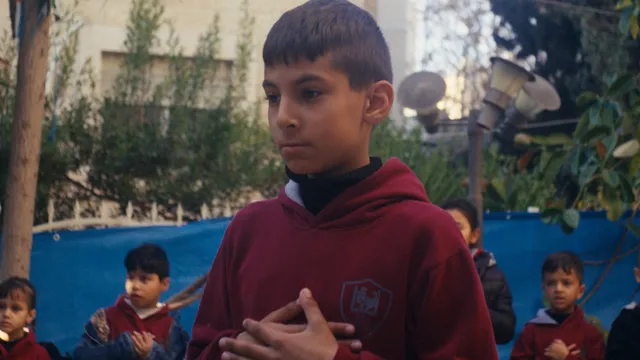
Holistic education in conflict zones is a critical area of study that addresses the multifaceted challenges faced by children and communities in regions affected by violence and instability. This approach emphasizes the importance of integrating emotional, social, and cognitive development within educational frameworks, recognizing that traditional education models often fall short in these contexts. In conflict zones, children experience trauma, displacement, and disruption of their daily lives, which can severely impact their ability to learn and thrive. Therefore, holistic education seeks to create safe and nurturing environments that foster resilience, critical thinking, and emotional well-being, alongside academic achievement.
Implementing holistic education in conflict zones requires a comprehensive understanding of the local context, including cultural, social, and economic factors. Educators and organizations must collaborate with local communities to develop curricula that are relevant and sensitive to the needs of the children. This may involve incorporating local languages, traditions, and values into the learning process, as well as providing psychosocial support to help children cope with their experiences. Training teachers to recognize and address the unique challenges faced by their students is also essential, as they play a pivotal role in creating a supportive learning environment.
Moreover, holistic education in conflict zones often involves partnerships with various stakeholders, including governments, non-governmental organizations, and international agencies. These collaborations can help mobilize resources, share best practices, and ensure that educational initiatives are sustainable and effective. Innovative approaches, such as mobile schools, community-based learning centers, and the use of technology, can also enhance access to education for children in remote or dangerous areas. By prioritizing holistic education, we can empower children to become active participants in their communities and contribute to peacebuilding efforts in the long term.
In conclusion, holistic education in conflict zones is not merely about providing academic instruction; it is about nurturing the whole child and addressing the broader social and emotional needs that arise in times of crisis. By fostering resilience, critical thinking, and a sense of belonging, holistic education can play a transformative role in the lives of children affected by conflict. As we move forward, it is imperative that we continue to advocate for and invest in holistic educational approaches that prioritize the well-being of children and communities in conflict-affected areas.