

Afghanistan strains under return of millions from neighboring countries
Afghanistan strains under return of millions from neighboring countries
- Since October 2023, about 5.4 million Afghans have returned from Pakistan and Iran, significantly impacting Afghanistan's resources.
- The Afghan government is providing minimal assistance to returnees, which has proved inadequate given the scale of the influx.
- The mass return of Afghans is likely to exacerbate the already dire humanitarian crisis in Afghanistan.
Story
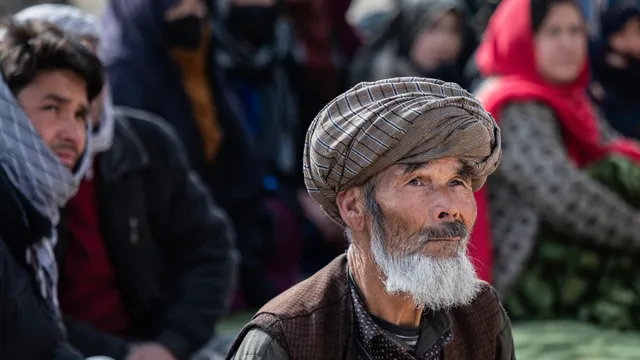
Afghanistan has faced an unprecedented humanitarian crisis as millions of its citizens have returned from neighboring countries, particularly Pakistan and Iran, following government crackdowns on undocumented migrants. Since October 2023, approximately 5.4 million individuals have made their way back, many of whom had lived in these countries for years, establishing families and businesses. The influx represents 12% of Afghanistan's population, exacerbating an already dire humanitarian crisis that includes a weak economy, severe drought, and the aftermath of two devastating earthquakes. The United Nations High Commissioner for Refugees (UNHCR) has raised alarms over this mass repatriation. The number of returning individuals has rapidly increased following directives from the Pakistani government, which enforced strict measures against illegal migrants, while Iran began its own crackdown. Many Afghans, some who were born in Pakistan, have had to leave their established lives, significantly impacting Afghanistan's resources and ability to support both the returning population and its existing citizens. The Afghan authorities are providing minimal aid to returnees, including care packages with food and cash assistance, but this is not sufficient to address the growing needs of such a large population influx. Reports indicate that families are resorting to negative coping mechanisms to survive, such as skipping meals or selling possessions. The UN has noted that in areas of high return rates, as many as 90% of families are struggling to meet their basic needs. With ongoing security concerns, human rights violations, particularly affecting women and girls, and widespread poverty, many returnees face challenges in rebuilding their lives in Afghanistan. Although a small percentage reportedly plan to leave again, the majority express a desire to stay, driven by the harsh reality that rebuilding a dignified life in Afghanistan remains incredibly difficult. There are increasing concerns about the sustainability of these returns, as living conditions deteriorate and access to resources continues to diminish.


