

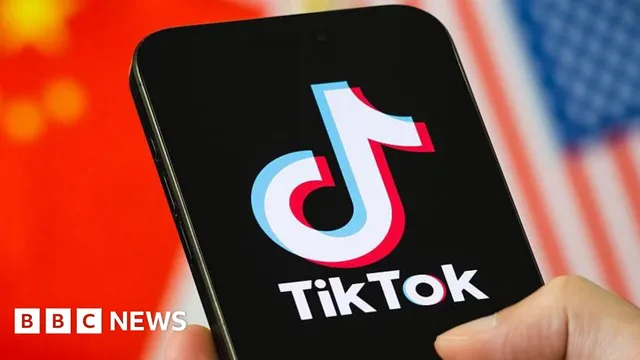
ByteDance sells TikTok's U.S. operations to American investors
ByteDance sells TikTok's U.S. operations to American investors
- After prolonged negotiations, ByteDance agreed to sell TikTok's U.S. operations to a consortium of American investors.
- The deal aims to address national security concerns and avoid the impending ban on the app.
- As a result, the application can continue operating in the United States with oversight by new American majority owners.
Story
In the United States, TikTok's parent company ByteDance has finally agreed to divest its U.S. operations in a deal expected to close on January 22, 2026. This decision followed years of scrutiny and pressure over national security concerns linked to the app's ties to China. Key American investors, including Oracle, Silver Lake, and Abu Dhabi-based MGX, are set to hold a majority stake in the new U.S. entity, controlling 80.1 percent of TikTok. The agreement seeks to alleviate apprehensions that U.S. users' data could be accessed by the Chinese government and that the app's addictive algorithm could be manipulated to spread propaganda. The pending sale aligns with a bipartisan law signed by President Joe Biden that mandated ByteDance to either sell the platform or face a ban. Leading up to the deal, TikTok had a temporary period of darkness in late 2025 when it was briefly unable to operate legally, but it returned due to executive measures taken by then-President Donald Trump, who pushed for the sale. Following the finalized agreement, a new American board will oversee the U.S. operations, and Oracle will act as a key security partner, ensuring user data protection. As the situation develops, lawmakers and the public remain cautiously optimistic about future changes and the application's operations under American control, although there's skepticism regarding the feasibility of fully severing ties with ByteDance, which still retains a significant interest in the platform.
Context
The rising popularity of TikTok, developed by the Chinese company ByteDance, has led to significant national security concerns among various governments, particularly in the United States. The primary issue stems from fears that user data collected by TikTok could be accessed by the Chinese government, posing a risk to users' privacy and national security. Given China's data privacy laws, companies are required to comply with government requests for information, which raises legitimate concerns about the extent of data collection and surveillance that could occur. As a platform with over a billion users, TikTok's vast repository of personal information, including location data and browsing habits, has made it a focal point of scrutiny amid broader geopolitical tensions between China and Western nations. In response to these concerns, U.S. lawmakers and regulatory bodies have initiated investigations and proposed bans on the use of TikTok within the country. Various studies and reports have been commissioned to analyze the potential security risks associated with the app. Some officials advocate for the necessity of greater regulation of foreign-owned technologies while others call for an outright ban of the app entirely, arguing that the risks outweigh the benefits. As these discussions unfold, concerns also extend to the impact on American consumers who use the platform for entertainment and social engagement, which complicates the dialogue surrounding national security interests versus individual freedoms. Furthermore, other countries are also considering regulations similar to those in the U.S., reflecting a growing global trend to scrutinize foreign tech companies. The discussion has sparked a broader examination of data sovereignty and the responsibilities of tech companies to safeguard user information. Notably, the European Union has been at the forefront of launching initiatives aimed at enhancing data protection and privacy regulations, which could affect how companies like TikTok operate within their jurisdictions. Simultaneously, TikTok has attempted to mitigate these concerns by establishing data centers outside of China and instituting transparency measures to reassure users regarding data security, yet skepticism remains. Ultimately, the issue of national security concerns surrounding TikTok and ByteDance will necessitate ongoing dialogue and legislative action. Policymakers must strike a delicate balance between protecting user privacy, maintaining national security, and fostering an environment conducive to technological innovation. As the digital landscape continues to evolve and tech companies increasingly intersect with geopolitical matters, the implications of these discussions will extend beyond TikTok to encompass a range of digital platforms and their global operations.


