
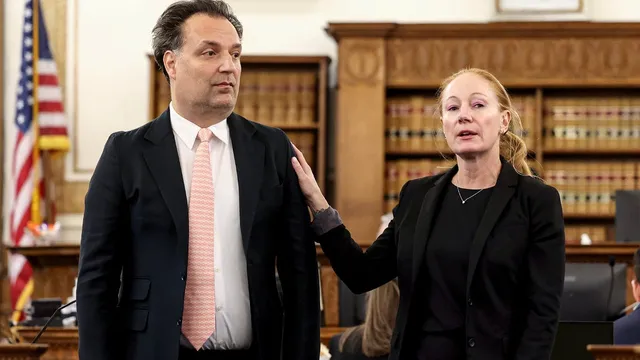
Brian Walshe pleads guilty to body disposal in wife's murder case
- Brian Walshe, 50, is accused of killing and dismembering his wife Ana Walshe in January 2023.
- He changed his plea to guilty on lesser charges just before the trial for murder began.
- As the case unfolds, more attention is drawn to issues of domestic violence and legal accountability.
Story
In Massachusetts, on November 18, 2025, Brian Walshe pleaded guilty to charges related to the disappearance of his wife, Ana Walshe. The couple was involved in a troubled marriage, with prosecutors alleging that Brian murdered Ana in early January 2023, dismembered her body, and disposed of it. Ana was last seen on January 1, 2023, after a New Year’s Eve dinner, and her employer reported her missing a few days later. Brian claimed she left for an emergency work-related trip to Washington, D.C., but investigators found no evidence to support this claim. In January 2023, shortly after Ana's disappearance, police began investigating Brian's activities, revealing shocking evidence. They discovered he made numerous Google searches for topics related to dismemberment and body disposal, alongside other suspicious activities that indicated his involvement in a potential criminal act. Additionally, a damaged knife with blood was found in the basement of their home, significantly strengthening the prosecution's case against him. Over time, as details emerged, it became increasingly clear that law enforcement had more serious suspicions regarding Brian's role in Ana's presumed death. The trial was set to begin when Brian made a sudden change to his plea, agreeing to guilty pleas for disposing of Ana's body and misleading police investigators. The court documents indicate that he “willfully conveyed” his wife’s remains and intentionally provided false information during interviews with law enforcement officials. The move to change his plea occurred just before jury selection began, adding further complexity to his legal proceedings. The judge overseeing the case emphasized that while Brian had pleaded guilty on specific charges, this does not equate to guilt in the murder of Ana. The murder charge against Brian still stands, and he will face a trial to determine if he indeed killed his wife. As Ana's body has never been found, the case draws considerable public interest and raises questions about domestic violence and the justice system's handling of such cases. The couple's three children were placed in state custody as authorities continue to work through the implications of this case. Overall, this situation highlights the tragic circumstances surrounding Ana Walshe's disappearance and the complex legal battles that remain ahead for Brian Walshe.
Context
Domestic violence is a critical issue that affects many individuals and families across Massachusetts. The state has made significant strides in addressing this pressing problem through legislative measures, community support programs, and increased awareness. Domestic violence encompasses a range of behaviors, including physical, emotional, and psychological abuse inflicted by one partner onto another in an intimate relationship. The impact of such violence is devastating; it not only affects the victims physically but also leaves emotional scars that can last a lifetime. Given the complexities and sensitive nature of these cases, it is crucial to understand the statistics and resources available in Massachusetts to combat domestic violence effectively. In recent years, there has been a growing recognition of domestic violence as a pervasive societal issue that requires a comprehensive response from law enforcement, healthcare providers, and community organizations. The Massachusetts Executive Office of Public Safety and Security reports a gradual increase in the number of domestic violence incidents reported to law enforcement agencies, which indicates both an increasing awareness among victims to seek help and potentially more incidents occurring. However, it is essential to note that many cases of domestic violence go unreported, so the true extent of the problem may be larger than the statistics suggest. The state has implemented various programs aimed at providing support to victims, including the establishment of domestic violence hotlines and the availability of shelters for those fleeing unsafe situations. Legal frameworks in Massachusetts provide protections for victims of domestic violence, including restraining orders and provisions for custody and support during separation proceedings. The Massachusetts General Laws Chapter 209A specifically outlines the legal protections available to victims, emphasizing the right to seek safety and security without facing legal barriers. Additionally, many local communities have developed specialized units within the police departments that are trained to handle domestic violence cases sensitively and effectively. These initiatives are crucial for building trust among victims and encouraging them to come forward and report abuse, knowing that they will be met with empathetic and knowledgeable responses. In conclusion, the fight against domestic violence in Massachusetts requires ongoing commitment and collaboration from all sectors of society. Continued education and awareness-raising efforts are essential to empower victims to seek help and to foster a culture that does not tolerate violence in any form. While progress has been made, the work is far from over. Advocates and stakeholders must remain vigilant, ensuring that support systems are available and effective, legislations keep pace with the evolving understanding of domestic violence, and that systemic barriers are addressed. Only through combined efforts can Massachusetts hope to reduce and ultimately eliminate domestic violence, creating safer communities for all.
