

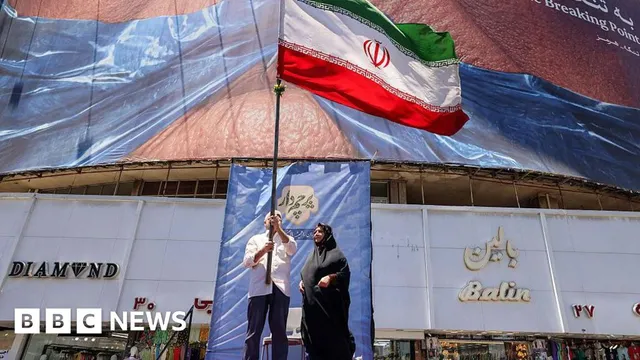
Iran agrees to dispose of enriched uranium amid US negotiations
Iran agrees to dispose of enriched uranium amid US negotiations
- Negotiations between the US and Iran in Qatar address Iran's enriched uranium stockpile.
- The US demands a complete dismantling of Iran's nuclear program, while Iran insists on its right to uranium enrichment.
- The outcome of these talks will have significant implications for future relations between the two nations.
Story
In May 2026, high-stakes negotiations took place in Qatar aimed at easing tensions between the United States and Iran. These discussions included significant proposals from U.S. President Donald Trump regarding Iran’s enriched uranium stockpile. Trump outlined his favored options for disposing of this stockpile, suggesting it could either be returned to the U.S. for destruction or annihilated on-site with cooperation from Iranian authorities. According to sources, an agreement 'in principle' was reached by Iranian officials to dispose of the enriched uranium. The backdrop of these negotiations is rooted in the ongoing armed conflict that has characterized U.S.-Iran relations. While the U.S. has demanded the complete dismantlement of Iran’s nuclear program, Iran insists on its right to uranium enrichment, claiming that it does not aim to develop nuclear weapons. Iranian Foreign Ministry spokesman Esmaeil Baqaei stated that discussions were primarily centered around ending the military conflict rather than nuclear issues at this stage of the negotiations. This negotiation approach mirrors methods used by Trump in previous Middle Eastern negotiations, notably the complex Gaza deal which faced numerous delays and stumbling blocks. In this similar context with Iran, initial agreements aim to establish ceasefires while addressing more contentious issues—such as dismantling Iran’s nuclear facilities, missile stockpiles, and its military support for militia groups—at a later stage. However, experts caution that this tactic poses risks, as unresolved issues could remain significant obstacles to a long-term resolution. Moreover, the geopolitics of the situation are complicated by Iran’s increased assertiveness, likely influenced by the ongoing military conflict. The Trump administration's strategy could be perceived as a way to showcase a diplomatic victory while potentially leaving critical issues unresolved. Analysts suggest that Iran's leaders may feel emboldened by their current military stance, potentially diminishing their willingness to compromise in future negotiations. Overall, despite initial strides toward agreement, many complexities linger, leaving the future of U.S.-Iran relations uncertain.


