

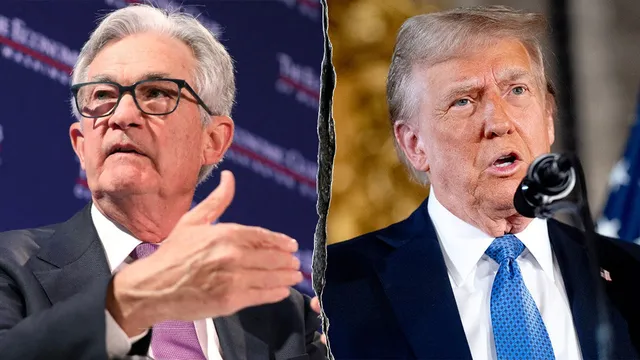
Moynihan warns of market consequences if Fed independence is compromised
Moynihan warns of market consequences if Fed independence is compromised
- Bank of America CEO Brian Moynihan warns about over-fascination with the Federal Reserve's rate decisions.
- Concerns have risen about potential political interference in the Federal Reserve as Trump prepares to nominate a new chair.
- Moynihan asserts that a compromised Fed independence could lead to market consequences.
Story
In recent developments within the United States, discussions around the Federal Reserve's independence have gained prominence, especially in the context of potential political interference. Federal Reserve Chairman Jerome Powell has faced scrutiny over his decisions regarding interest rates and his position may change soon as President Donald Trump is anticipated to nominate a new Fed chair. Powell's term is set to expire in May 2026, prompting speculation about a replacement more aligned with Trump's interests. In an interview in December 2025, Bank of America CEO Brian Moynihan emphasized the need for the Fed to remain independent, warning that fluctuations in rate decisions can have significant impacts on the economy. Trump's administration has pressured the Fed for more aggressive rate cuts amid an economic landscape marked by slowing job growth, raising concerns about the central bank's independence. This scrutiny reflects a broader worry among market participants about the Fed's role in stabilizing the economy and mitigating risk in times of financial stress. Moynihan pointed out that while the Fed plays a crucial role, too much focus on its rate moves could lead to an unbalanced perception of economic health. Moreover, the relationship between the Fed and the White House demonstrates the historical tension when political agendas influence monetary policy. The Fed's leadership has maintained a narrative that its decisions are strictly data-driven and not politically motivated. Powell's handling of external pressures has become increasingly cautious as he navigates this complex political environment where the influence of the presidency on monetary policy is under scrutiny. As economic analysts predict continued modest growth rates and persistent inflation above the 2% target, the Fed's decision-making will remain critical. The anticipated conflict between the new Fed chair, appointed by Trump, and the economic realities could lead to significant political and market repercussions if the independence of the central bank is compromised.
Context
The impact of political interference on the Federal Reserve (the Fed) is a pressing concern in contemporary economic discourse. The Fed's primary responsibilities include managing the nation's monetary policy, regulating banks, maintaining financial stability, and providing financial services. Given its substantial influence over the economy, the Fed's independence is crucial for effective policy implementation. However, political pressures can undermine this independence, affecting the Fed's ability to regulate inflation, manage unemployment, and respond to economic crises. Over recent decades, instances of political interference have grown, raising questions about the balance between democratic accountability and institutional independence. Political interference can manifest in various forms, such as direct pressure from elected officials, public criticism, and legislative actions that alter the Fed's operational framework. For instance, lawmakers may attempt to influence interest rate decisions or criticize specific monetary policies to sway public and market sentiments. Such interferences can lead to an erosion of the Fed's credibility as an independent institution. When political figures publicly undermine the Fed's decisions, it may create uncertainty in the financial markets, potentially leading to adverse economic outcomes. The interplay between political narratives and economic realities can skew the perception of the Fed's actions, complicating its ability to fulfill its mandate effectively. The consequences of politicizing the Fed extend beyond mere operational challenges. If the Fed becomes viewed as an extension of political agendas, it risks losing the trust of the public and markets alike. This trust is fundamental for the credibility of monetary policy, which relies on the expectation that the Fed will act in the economy's long-term best interests, free from short-term political pressures. Empirical studies have shown that periods of heightened political interference are often associated with increased volatility in financial markets, worsening inflation, and a lack of confidence among investors and consumers. The path to remedying these challenges often involves reaffirming the Fed's commitment to independence while enhancing transparency and communication, thereby reassuring the public and markets of its objectives. In conclusion, the impact of political interference on the Federal Reserve cannot be understated. It compromises the institution's core mission of fostering economic stability and can lead to detrimental outcomes for the economy at large. Maintaining the delicate balance between the Fed’s operational independence and political accountability is vital. Only through a concerted effort to protect this independence can the Fed effectively navigate the complex economic landscape, ensuring it operates free of undue political influence while fostering trust and confidence among the public and financial markets.


