

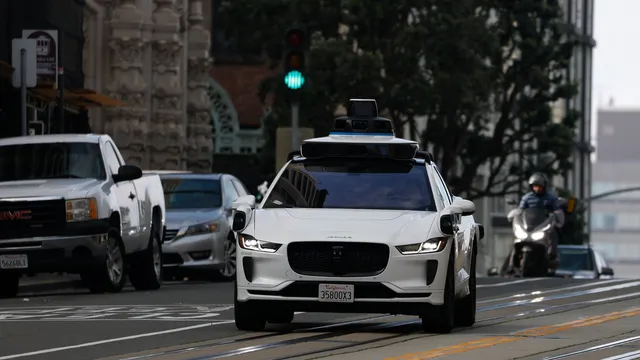
Waymo faces backlash for repeated school bus violations in Austin
Waymo faces backlash for repeated school bus violations in Austin
- Waymo cars have been documented illegally passing school buses in Austin while their stop arms were deployed.
- The Austin Independent School District has logged at least 24 violations by Waymo vehicles this school year.
- The school district is exploring various legal options to address these ongoing safety concerns.
Story
In Austin, Texas, Waymo has come under scrutiny for its autonomous vehicles illegally passing stopped school buses. Despite a software update issued in December 2025 following incidents captured on school bus cameras, reports indicate that Waymo cars continued to violate the stop laws. During this current school year, the Austin Independent School District has recorded at least 24 instances where Waymo vehicles disregarded the flashing stop arms of school buses, with some incidents occurring while children were present. The latest violation occurred recently on a Monday, raising concerns among parents and school officials. The Austin Independent School District has repeatedly called for Waymo to halt its operations during peak school bus hours, stressing the need for safety as children are being put at risk. A spokesperson from the district noted the importance of adhering to traffic laws, especially given the vulnerable nature of students crossing streets as they board buses. In light of continued violations, the district is exploring all legal actions available to protect the safety of its students. Waymo representatives defended their technology by claiming their vehicles are statistically safer than human-driven cars, asserting they incur fewer crashes involving injuries to pedestrians. They have stated their commitment to improving interactions with school buses following the incidents. However, the persistence of violations even after a major software update has left many questioning the software's efficacy and the company’s operational protocols. As Waymo tries to reassure the public and local officials, the road ahead appears bumpy amid mounting backlash and skepticism regarding the reliability of their self-driving technology. The juxtaposition of innovation in autonomous driving and the need for compliance with traffic laws continues to be a focal point for discussions surrounding the safety of such vehicles on public roads.
Context
The development and deployment of autonomous vehicles have ushered in a new era of transportation, with significant implications for safety statistics. Since their inception, autonomous vehicles (AVs) have attracted considerable attention due to their potential to reduce accidents and improve overall road safety. This report analyzes various safety statistics associated with AVs, aiming to provide a comprehensive overview of their impact compared to human-driven vehicles. Recent data indicates that AVs are designed to minimize the likelihood of human error, which is a leading cause of traffic accidents. By relying on advanced sensors, machine learning algorithms, and real-time data processing, these vehicles can react quickly to environmental changes, ultimately decreasing the risk of collisions. Reports have suggested that AVs could reduce traffic fatalities by as much as 90% when they are fully integrated into society, highlighting a significant potential benefit over traditional vehicles. In examining actual safety statistics from various studies, it has become apparent that AVs are involved in fewer accidents than their human-operated counterparts. According to several large-scale trials conducted by automotive companies and tech firms, the frequency of accidents involving AVs remains considerably lower than the national average for traditional vehicles. For example, a comprehensive study from 2022 found that autonomous vehicles had a non-fatal accident rate of just 2.5 incidents per million miles driven, whereas conventional vehicles reported a rate of approximately 8.5 incidents per million miles. Furthermore, the implementation of AV technology has shown improvements in driving behaviors, such as more consistent adherence to speed limits and traffic signals, further contributing to overall road safety. However, the transition to autonomous vehicles is not without challenges. As AVs become more prevalent, policymakers, regulators, and manufacturers must address emerging safety concerns. The interaction between human drivers and AVs on the road poses potential risks, as the behavior of traditional drivers can be unpredictable and may lead to dangerous situations. Additionally, incidents of accidents involving AVs often receive disproportionate media attention, leading to public fear and misunderstanding regarding their safety. It is crucial to continue educating the public and stakeholders about the operational capabilities and limitations of AV technology. In conclusion, the safety statistics related to autonomous vehicles suggest a positive outlook for their potential to enhance road safety significantly. The reduction in accident rates and the possibility of preventing fatalities highlights the promise of AVs as a transformative element in transportation. As technology continues to develop and regulations adapt, it is essential to foster an informed dialogue between manufacturers, legislators, and the public to ensure that AVs can safely coexist with traditional vehicles. Continued research and transparent reporting on safety statistics will be vital in building trust and acceptance in this groundbreaking approach to transportation.


