

Israeli forces kill three Palestinians in Gaza amid ongoing violence
Israeli forces kill three Palestinians in Gaza amid ongoing violence
- Israeli forces have reportedly killed three Palestinians, including a child, in Khan Younis.
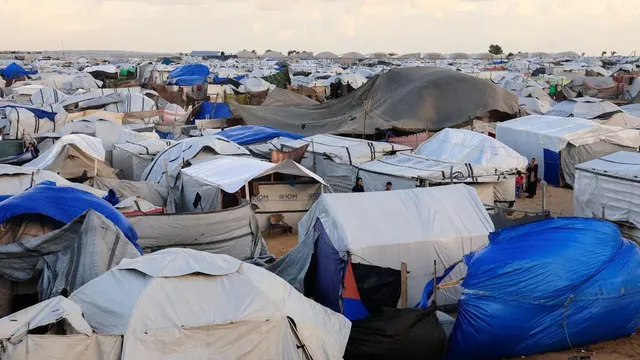
- The humanitarian situation in Gaza is critical, with many fatalities attributed to ongoing military operations and harsh weather.
- This incident underscores the continuous state of violence and instability in the region, raising urgent calls for humanitarian intervention.
Story
On January 4, 2026, violence erupted in the Gaza Strip, where Israeli forces shot and killed at least three Palestinians in separate incidents in the city of Khan Younis. Among the deceased was a 15-year-old boy, alongside a fisherman killed outside areas still occupied by Israel, and a third individual shot east of the city in areas under Israeli control. This incident came against the backdrop of ongoing tensions and conflict in the region, with reports indicating that Israeli troops have escalated military operations since the ceasefire began in October. During this period, local health authorities reported that the humanitarian situation in Gaza has deteriorated, with nearly 71,000 Palestinians having been killed since the military offensive was launched. The Gaza Ministry of Health reflects the dire circumstances as it counts the casualties from both military actions and the exacerbating humanitarian crisis affecting over 2 million residents of the area, many of whom have been displaced from their homes. Amid this chaos, arrests have surged in the West Bank as Israeli forces conducted raids, reportedly seizing around 50 Palestinians often under harsh conditions. This environment of violence, coupled with severe weather-related challenges, has led to further fatalities, including the tragic drowning of children in floods resulting from storms and cold weather. The ongoing cycle of violence and human rights concerns continues to draw international attention, raising questions about accountability and the future outlook for peace in the region.
Context
The ongoing military operations conducted by Israel in Gaza have had profound and devastating impacts on the civilian population. These operations, often framed as responses to acts of violence or threats from militant groups, have resulted in significant casualties, displacement, and destruction of infrastructure in densely populated areas. Reports indicate that thousands of Palestinian civilians, including women and children, have been killed or injured during these operations. The high rate of civilian casualties raises serious questions about the adherence to international humanitarian law, particularly the principles of necessity and proportionality. As fighting intensifies, the experiences of those living in Gaza illustrate a humanitarian crisis characterized by a lack of access to basic necessities such as food, clean water, and medical care, compounding the suffering inflicted by direct violence. In addition to immediate physical harms, Israel's military actions have led to extensive psychological trauma among the civilian population. Many individuals, including children, are experiencing feelings of fear, anxiety, and depression due to the continuous threat of attacks and the chaotic environment. The psychological effects compounded with injuries and bereavement create long-lasting consequences for families and communities. Experts emphasize the need for psychological support and services to mitigate the mental health impact. Reports from various humanitarian organizations indicate that the social fabric of Gazan society is under extreme stress, with societal cohesion deteriorating amidst widespread grief and loss. The impact of military operations extends beyond direct human suffering to include substantial damage to infrastructure crucial for daily life. Hospitals, schools, and water systems have been severely affected, leading to not only a humanitarian crisis but also hindering the long-term rehabilitation and recovery efforts in the region. The situation is exacerbated by ongoing blockades, which already limited access to essential goods and services before the escalation of military engagements. As facilities are destroyed, the capacity of local health services to respond to civilian needs is further diminished, which raises alarm over future health crises in the wake of the violence. Efforts by the international community to intervene or provide humanitarian assistance face significant barriers, including restrictions on access and the complexities of navigating the ongoing conflict. Various non-governmental organizations continue to advocate for the protection of civilians and compliance with international laws, urging a reconsideration of military strategies that endanger the lives of non-combatants. The situation in Gaza underscores the urgent need for diplomatic engagement and conflict resolution to protect civilian lives and restore stability. In conclusion, the impact of Israeli military operations on Gaza civilians is marked by a tragic interplay of violence, psychological distress, and humanitarian need, necessitating a robust international response to alleviate suffering and promote peace.


