

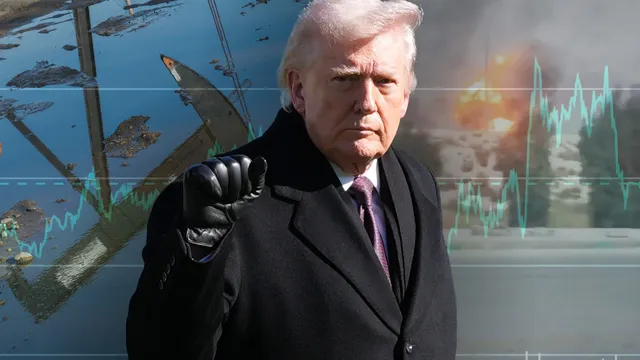
Iran targets Gulf energy infrastructure after attacks escalate
Iran targets Gulf energy infrastructure after attacks escalate
- Iran's missile attacks have targeted key LNG facilities in Qatar, damaging supply sources for global LNG exports.
- In response, European natural gas prices have surged 35%, reflecting fears of prolonged energy supply disruptions.
- The ongoing conflict threatens to escalate, with analysts warning that oil and gas prices could remain high for an extended period.
Story
The escalating conflict in the Middle East reached a dangerous peak recently, with Iran conducting missile attacks on critical liquefied natural gas facilities in Qatar. This particular facility at Ras Laffan has historically supplied about one-fifth of global LNG exports. The attacks, which were reportedly in response to military strikes on Iranian territory, have resulted in significant damage to the LNG site. With the ruptured supply chain, natural gas prices in Europe have surged, reflecting growing fears of a prolonged crisis. Oil prices have similarly spiked as markets respond to the heightened instability in the region. The aftermath of these attacks not only disrupts immediate supplies but also presents the potential for long-term consequences. Analysts suggest that even following the cessation of hostilities, the ramifications from these strikes could linger for months, impacting repair timelines and part acquisitions. Thus, energy markets remain volatile, with traders expecting elevated prices for both oil and gas through at least the early summer months. The broader implications of the conflict extend beyond energy prices; economies that are heavily reliant on oil imports stand to suffer from escalating costs. Japan, South Korea, and Taiwan, among others, are particularly vulnerable due to their significant dependence on energy imports. In light of ongoing inflationary pressures, the Federal Reserve has indicated a cautious approach to interest rate adjustments, adding further uncertainty to the economic landscape. The situation continues to evolve as Iran's military leadership openly identifies energy sites in neighboring Gulf nations as legitimate targets for future operations. This bold declaration raises concerns about regional stability and the potential for a wider conflict that could further aggravate energy market disruptions.
Context
Iran's geopolitical actions have significant repercussions on global energy markets, particularly concerning oil prices. Given its vital position as one of the leading oil exporters, any military confrontation or heightened tensions involving Iran can lead to fears of supply disruptions. The volatile nature of the Middle East contributes to ongoing worries that a conflict could limit access to oil shipments through key routes, such as the Strait of Hormuz, where a substantial percentage of the world's oil passes. Consequently, such uncertainties often prompt speculative trading, driving prices up even before any physical disruption occurs. Historical patterns show that military actions or threats in the region, particularly involving Iran, have resulted in immediate spikes in oil prices, reflecting the market's sensitivity to geopolitical events. This correlation indicates that investors closely monitor Iran's activities for any signs of threat to oil supply chains worldwide. Increased oil prices have further implications beyond direct market reactions; they influence global inflation rates, economic performance, and energy policies across various countries. Higher oil prices generally lead to increased transportation and production costs, subsequently causing prices for consumer goods to rise. This inflationary pressure can strain household budgets, leading to reduced consumer spending, which is critical for economic growth. Moreover, countries that are heavily reliant on oil imports may face significant economic challenges if prices surge, potentially leading to trade deficits or necessitating changes in energy consumption patterns. As nations grapple with economic ripple effects from elevated energy prices, responses can vary from seeking alternative energy sources to implementing fiscal measures to counteract inflation. In the context of such threats, there is a growing urgency for countries to pursue energy diversification strategies. Reducing dependence on oil from politically unstable regions can mitigate the economic shocks associated with price volatility linked to geopolitical tensions. Investments in renewable energy, alternative fuels, and the development of strategic petroleum reserves are increasingly being prioritized as parts of national energy security strategies. By diversifying energy sources, countries may not only insulate themselves from potential Iranian disruptions but also address long-term sustainability and climate goals. As we observe the ongoing developments regarding Iran's military posture and its implications for global energy prices, it is essential for policymakers, investors, and energy consumers to remain vigilant. Market strategies need to factor in not just the immediate price fluctuations resulting from conflicts or threats, but also the broader economic implications of sustained high prices. Coordinated international efforts are necessary to navigate the complex interplay of energy security, market stability, and geopolitical relations to ensure that the global economy remains resilient in the face of potential challenges stemming from Iran's actions.


