

Sri Lanka faces severe devastation from floods and economic crisis
Sri Lanka faces severe devastation from floods and economic crisis
- Severe floods in Sri Lanka have caused approximately $4 billion in damage, significantly impacting the economy.
- The government is providing financial assistance, but has received only a fraction of needed reconstruction funds.
- The combination of natural disasters and rising global tensions has created a precarious situation for Sri Lanka's affected residents.
Story
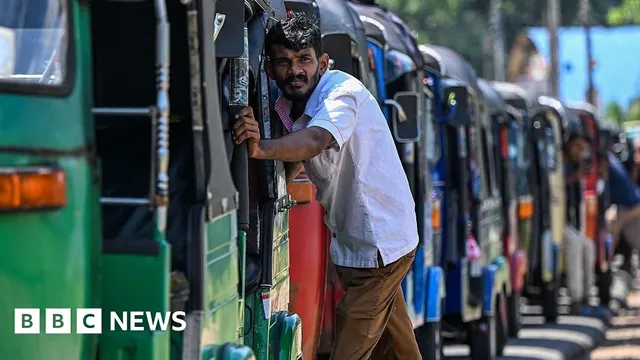
Sri Lanka has been grappling with catastrophic floods that have caused unprecedented devastation across the country. The floods, which occurred late last year, have resulted in damage estimated at about $4 billion, impacting around 4% of the country's GDP. Families like Indrani Ravichandran's have been severely affected, struggling to return to their homes after losing most of their possessions when flash floods inundated their village. Although the human loss was not as severe as during the 2004 tsunami, the windfall's economic implications are dire and are compounded by rising fuel prices and the potential for an impending drought in certain areas. The country is still reeling from an economic crisis that began in 2022, leading to severe shortages of essential items—including cooking gas and food—as the government defaulted on its foreign debt. Panic among residents has surged as they face fuel shortages, reminiscent of the chaos from the previous crises. Officials have indicated that they are working on relief efforts, with financial assistance promised to the families whose homes were partially damaged, yet they have received only a fraction of the necessary funds needed for extensive repairs and rehabilitation. Despite the extensive damage caused by the floods surpassing that of the 2004 tsunami, international humanitarian assistance has been limited. China, a key ally to Sri Lanka, provided less than $2 million in aid and some emergency supplies, which is considered minimal in comparison to the magnitude of the disaster. The Sri Lankan government claims it has distributed aid to over 80% of affected residents, yet criticism persists due to delays and inadequate support. As financial assistance continues to roll out, there are fears that the country may face another economic collapse if help does not arrive promptly. The situation remains critical as Sri Lanka navigates through rampant inflation, related to the global economic impacts driven by ongoing wars, particularly the conflict involving Iran. This has only exacerbated the challenges for a nation already on shaky economic ground, heightening fears that what Sri Lanka faces is not just a natural disaster, but a compounded crises of social and economic dimensions, with the potential for lasting repercussions on its citizens and future stability.
Context
The Sri Lanka economic crisis has emerged as one of the most significant and complex challenges faced by the country in recent history. The crisis can be traced back to a combination of long-standing structural issues, external shocks, and policy missteps. Predominantly, the economy was heavily reliant on tourism and tea exports, which made it vulnerable to global economic fluctuations. The COVID-19 pandemic exacerbated these vulnerabilities by drastically reducing foreign exchange earnings and leading to a steep decline in tourism revenues, further straining the already fragile economy. Additionally, large amounts of foreign debt, compounded by poor fiscal management, led to dwindling reserves, making it increasingly difficult for the government to meet its financial obligations. This situation was aggravated by the government's decision to implement sweeping tax cuts, which severely limited the revenue necessary for essential public services and debt servicing, ultimately resulting in a fiscal deficit that reached alarming levels. One of the major triggers of the crisis was the rapid shift toward organic farming policies initiated by the government in 2021. While the intention was to promote sustainable agriculture, this abrupt transition, without adequate preparation or research, led to devastating consequences for the agricultural sector. The ban on chemical fertilizers resulted in a drastic drop in crop yields, notably in tea and rice, which are crucial for the Sri Lankan economy. As food prices skyrocketed and farmers faced financial ruin, public discontent grew, leading to widespread protests against the government. The social unrest highlighted the growing dissatisfaction with the ruling regime's handling of the economy and raised questions about leadership competence during a critical juncture in the nation's history. The economic crisis has had far-reaching effects on the daily lives of citizens, manifesting in skyrocketing inflation, food shortages, and fuel scarcity. The inflation rate surged to unprecedented levels, which significantly eroded purchasing power, making basic necessities unaffordable for many families. As citizens struggled to make ends meet, the government faced mounting pressure to implement urgent reforms. In response, the administration sought assistance from international organizations, including the International Monetary Fund (IMF), to stabilize the economy through financial support and to implement structural reforms aimed at restoring fiscal stability. However, the conditions tied to international assistance also required painful austerity measures that have further burdened the population, leading to a challenging balancing act for policymakers. In conclusion, the ongoing economic crisis in Sri Lanka underscores the intricate interplay of domestic policy decisions and external economic factors. The repercussions of political mismanagement, coupled with adverse global conditions, have culminated in a severe economic collapse with dire humanitarian implications. Moving forward, it is imperative for the Sri Lankan government to prioritize transparent governance and sound economic practices as a foundation for recovery. Sustainable development strategies must also be established to diversify the economy, mitigate vulnerabilities, and ensure the well-being of the citizens in the face of future challenges. As the country grapples with the effects of this crisis, the lessons learned may provide valuable insights for fostering resilience in emerging economies worldwide.


