

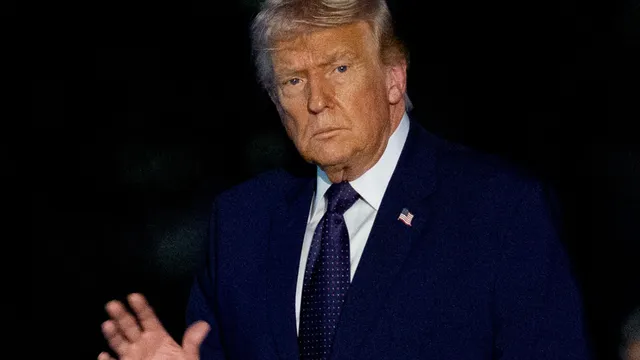
Trump faces historic approval rating drop with independents
Trump faces historic approval rating drop with independents
- Recent Quinnipiac University poll shows President Trump's approval rating among independent voters has dropped to 28%.
- This shift results in a net approval rating of minus 38 points, the lowest in polling history.
- The decline signals a significant loss of support that could affect the Republican Party's performance in upcoming elections.
Story
In the United States, President Donald Trump’s approval rating among independent voters has fallen significantly, reaching a low point according to a national Quinnipiac University poll. This survey indicates that only 28 percent of independents expressed approval of Trump's job performance, while a striking 66 percent reported disapproval. This results in a net approval rating of minus 38 points, marking the lowest level recorded for independents in this polling series. The decline from previous polls reveals a worrying trend for Trump's support among this critical voter demographic. The polling data highlights Trump's challenges in appealing to independent voters, who are often seen as the 'results' voters in elections. Their approval rating was more evenly split in earlier polls conducted in late January and early February, with 31 percent approving and 58 percent disapproving. Comparatively, the approval rating among independents was even higher in January 2025, showing a stark 15-point swing in the wrong direction since then. This erosion of support could have implications as midterm elections approach, raising concerns about voter turnout and party messaging. Experts have pointed out that independent voters tend to judge performance based on concrete results rather than party loyalty. The current polling reflects that a significant number of these voters feel the Trump administration is not focusing on the right priorities, with a Fox News poll noting that 78 percent of independents believe the administration is misaligned with their needs. Trump's critics argue that this lack of connection with independents could jeopardize the Republican Party’s control in upcoming elections. Despite the unfavorable polling numbers, Trump has publicly dismissed the significance of his approval ratings, stating that he prioritizes his agenda over polls. White House spokeswoman Davis Ingle claims that Trump is performing better in approval ratings compared to previous presidents Barack Obama and George W. Bush at this stage of their second terms. However, the historical comparison reveals a troubling inconsistency, as Trump's current standing with independents is worse than both Obama and Bush by substantial margins, illustrating the broader challenges he faces as midterms approach.
Context
The impact of independent voters on US elections has grown significantly over the years, influencing election outcomes and shaping party strategies. Historically, independent voters have been perceived as a crucial swing group, often determining the results in closely contested races. This demographic does not consistently align with either the Democratic or Republican parties, which allows them to hold substantial sway during elections. Their preferences can vary widely based on the political climate, societal issues, and candidates' appeal, making their role both vital and complex. In recent elections, the percentage of voters identifying as independents has increased. This trend reflects a broader disillusionment with the traditional two-party system among American voters. Many independents prioritize issue-based voting over party loyalty, which causes shifts in voter turnout and can lead to unexpected outcomes, particularly in pivotal battleground states. As political analysts note, the varied motivations for independent voting remind candidates of the importance of addressing a wide range of issues, rather than focusing solely on the party base. Moreover, election strategies have adapted to the rising influence of independents. Candidates now often tailor their campaigns to appeal to these voters, emphasizing bipartisanship and presenting moderate positions on key issues. Both major parties have recognized the vital need to engage this demographic through targeted outreach efforts, messaging that resonates with their concerns, and the promotion of candidate personas that embody pragmatic governance over rigid ideology. This strategy aims not only to attract independents but also to retain their support across multiple election cycles. As independent voters become an increasingly significant segment of the electorate, their influence will likely reshape the political landscape in future elections. The notion of loyalty to a single party is falling by the wayside as more voters identify with a blend of political ideologies. Understanding the motivations and voting patterns of independents is crucial for candidates who wish to secure electoral success. Consequently, the ability to engage effectively with this group may very well determine the outcomes of future US elections.


